
 By
By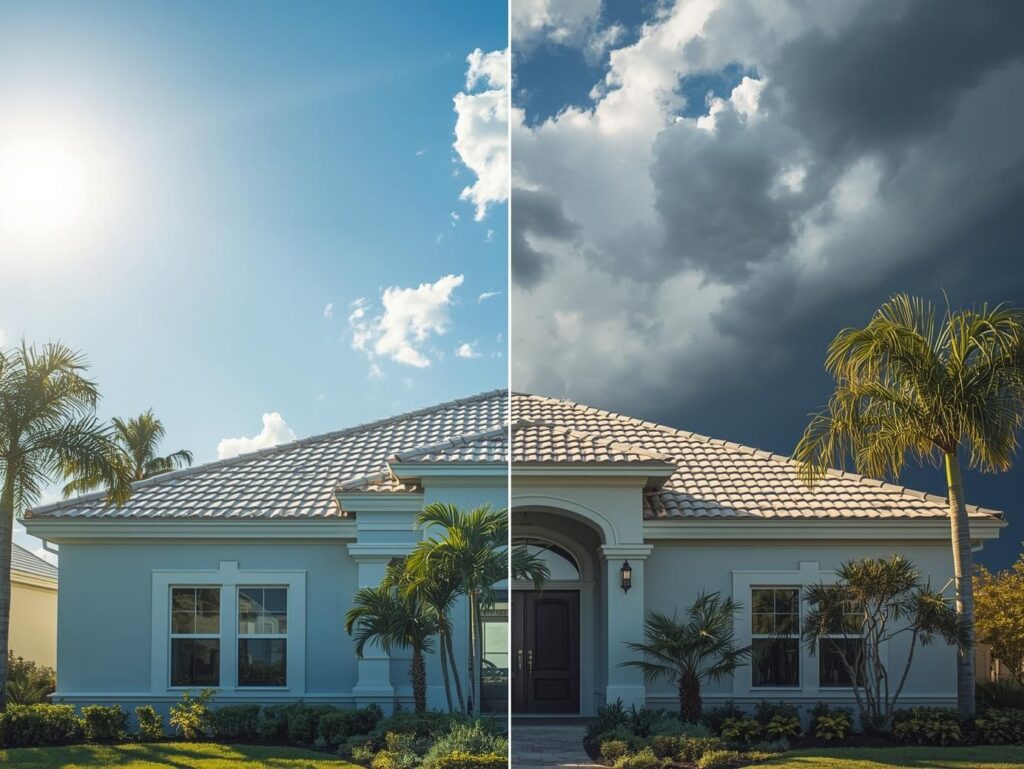
Living in Florida means your roof works harder than almost anywhere else in the country. Between scorching sun, heavy humidity, and hurricane-force winds, it’s constantly under attack. So, it’s no surprise that many homeowners find themselves asking, how long does a roof last in Florida?
The short answer: anywhere from 15 to 50 years but that number depends heavily on the material, maintenance, and weather exposure. This guide breaks down how long different roofs actually last here, what shortens their lifespan, and what you can do to help yours survive Florida’s unforgiving climate.
Not all roofs are created equal. In mild climates, asphalt shingles might last 25 years, but in Florida’s heat and humidity? Expect closer to 15–20 years. The sun’s UV rays break down shingles faster, and the moisture invites algae, mold, and rot.
Tile roofs, a favorite in coastal and Mediterranean-style homes, do much better. When installed properly, clay or concrete tiles can last 30–50 years. They’re heavy, durable, and can withstand high winds though the underlayment (the waterproof layer beneath) often needs replacement sooner than the tiles themselves.
Then there are metal roofs, the true champions of Florida roofing. Built to resist hurricane winds and salt air, they can last 40–70 years when maintained properly. Plus, they reflect sunlight, which helps lower indoor temperatures, a big bonus in that endless Florida summer.
Each material has its pros and cons, but one thing remains true: no roof, no matter how strong, survives long here without care.
If you’ve ever stepped outside in July and felt the sun melt your skin, imagine what it’s doing to your roof. Intense UV rays break down shingles, tiles, and sealants over time. Humidity adds another layer of stress, seeping into materials and feeding mildew and mold.
For coastal homes, the salt air quietly corrodes metal fasteners, flashing, and even concrete over time. And let’s not forget hurricane season, when heavy rain and high-speed winds can rip off shingles or cause leaks overnight.
In short: Florida’s weather is like a stress test that never ends. That’s why even premium roofs here need regular inspections and a strict maintenance schedule to stay in shape.
So, how do you know when it’s time? The signs are usually clear if you know what to look for. Missing or curling shingles, cracked tiles, dark streaks, leaks, or sagging spots are all red flags that your roof is nearing the end of its life.
If your roof is over 15 years old, it’s smart to schedule an annual professional inspection, especially after major storms. Florida’s extreme weather can cause hidden damage, the kind you won’t notice until water stains appear on your ceiling.
A good rule of thumb: the earlier you address issues, the longer your roof will last. Preventative maintenance almost always costs less than full roof replacement.
Roof longevity in Florida isn’t just about luck, it’s about consistent care. Start by cleaning your gutters regularly, trimming back trees, and removing any debris after storms. Keep your attic properly ventilated to prevent trapped heat from baking your roof from below.
Applying protective coatings or reflective paint can help shield your roof from UV damage and reduce heat absorption. And if you have a tile or metal roof, check for loose fasteners or cracked sealants at least twice a year.
Even small habits like checking your attic after heavy rain or getting a yearly inspection can add years of life to your roof and save thousands in repair costs.
If you’re replacing your roof, think beyond just appearance. Consider how each roofing material performs under Florida’s specific challenges.
- Asphalt shingles: Affordable but shorter lifespan; best for homeowners planning to move within 10–15 years.
- Metal roofs: Long-lasting, energy-efficient, and ideal for hurricane zones or coastal areas.
- Clay or concrete tiles: Beautiful and heat-resistant but heavy and costly upfront.
Always work with a licensed Florida roofing contractor who understands local building codes and hurricane resistance standards. Proper installation makes all the difference in durability and insurance coverage.
So, how long does a roof last in Florida? The truth is, your care determines the answer more than the weather does. A well-installed, high-quality roof that’s inspected annually and maintained properly can easily exceed its expected lifespan even in Florida’s extreme conditions.
Think of your roof as a living part of your home that needs attention. With a little consistency, the right materials, and an experienced roofer on your side, your roof can stand strong through Florida’s sun, storms, and everything in between.
Read: Pedrovazpaulo Real Estate Investment: Strategies, Pitfalls & Long-Term Wealth Blueprint