
 By
By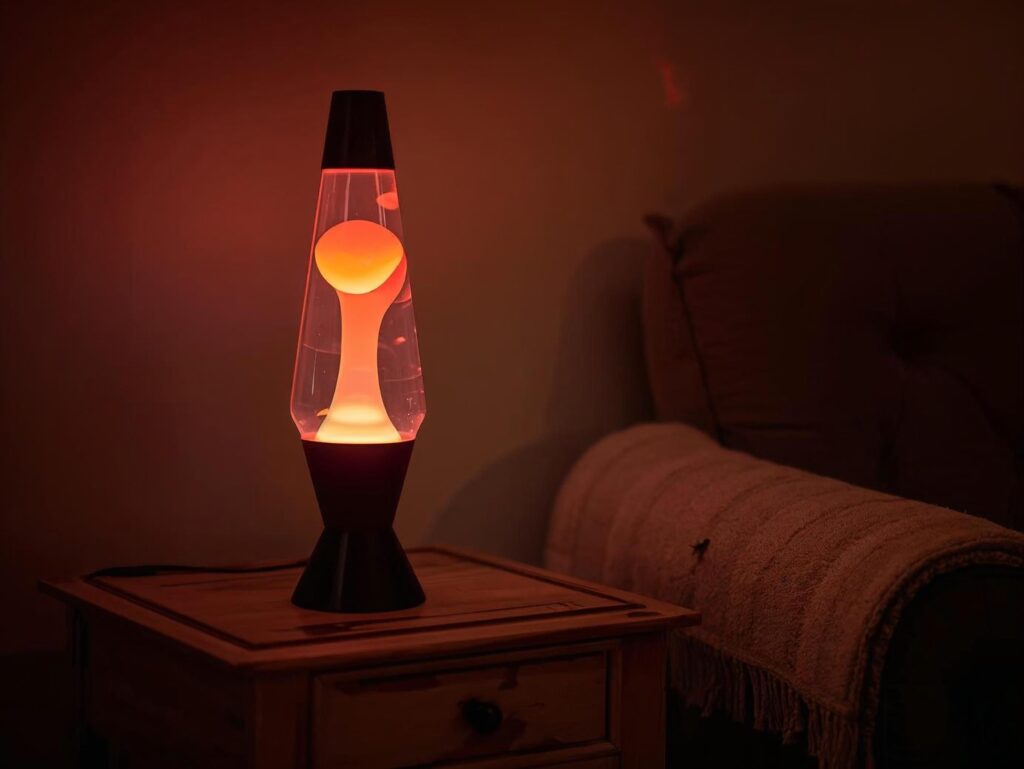
If you’ve ever wondered what’s inside a lava lamp and why it never stops flowing, you’re about to find out. It’s not magic, it’s science with a hint of nostalgia and a lot of personality.
Ever caught yourself zoning out to the slow, hypnotic blobs in a lava lamp? The way they rise and sink, drift apart and merge again it’s strangely calming, almost alive. But behind that glow is a quiet little chemistry lesson happening right on your nightstand.
The Secret Ingredients Inside a Lava Lamp
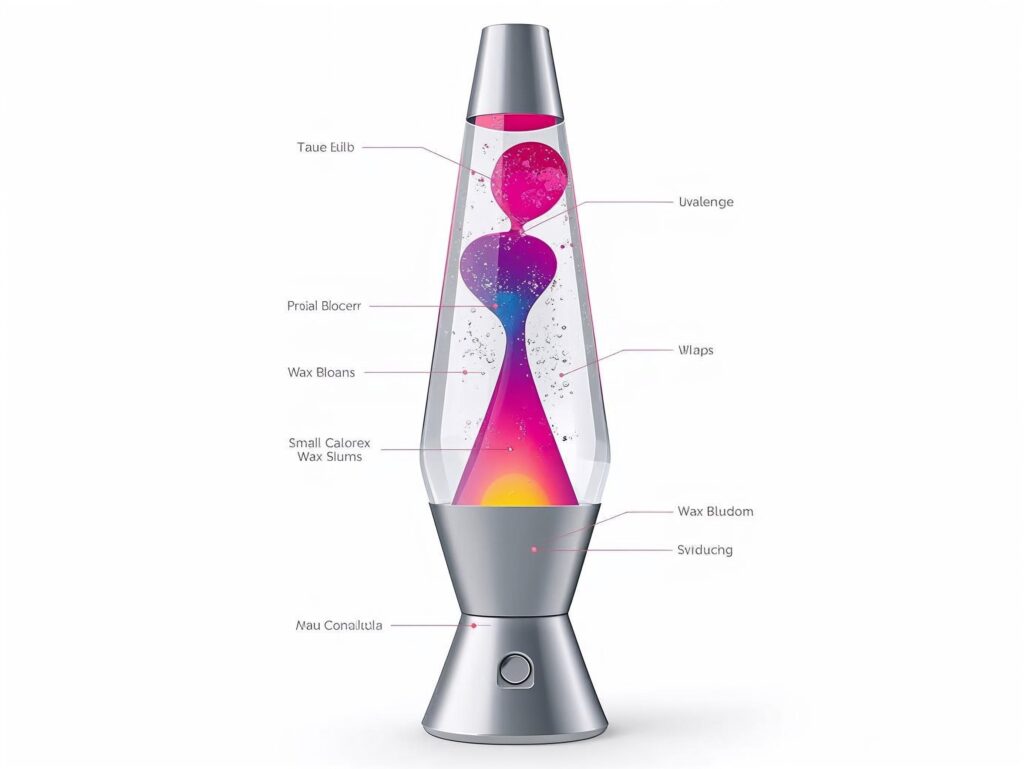
Crack open a lava lamp (not literally, please), and you’ll find just a few key components but each one’s tuned to perfection.
Inside that sleek glass globe is a delicate balance of liquid, wax, and heat. The clear part isn’t just plain water; it’s a mix of distilled water, antifreeze (ethylene glycol), and a few other stabilizing chemicals. These prevent the water from evaporating too quickly and help control the viscosity basically, how smoothly the wax blobs move.
Then there’s the wax compound. It’s not ordinary candle wax. Most lava lamps use paraffin wax blended with heavier compounds like carbon tetrachloride so that its density changes just right when it warms up. Add a splash of dye, and you’ve got that iconic molten glow.
At the bottom sits a low-wattage incandescent bulb, the quiet hero. It’s the lamp’s engine, gently heating the wax until it starts to dance.
The Science Behind the Magic Flow
Here’s the fun part: the reason it moves the way it does.
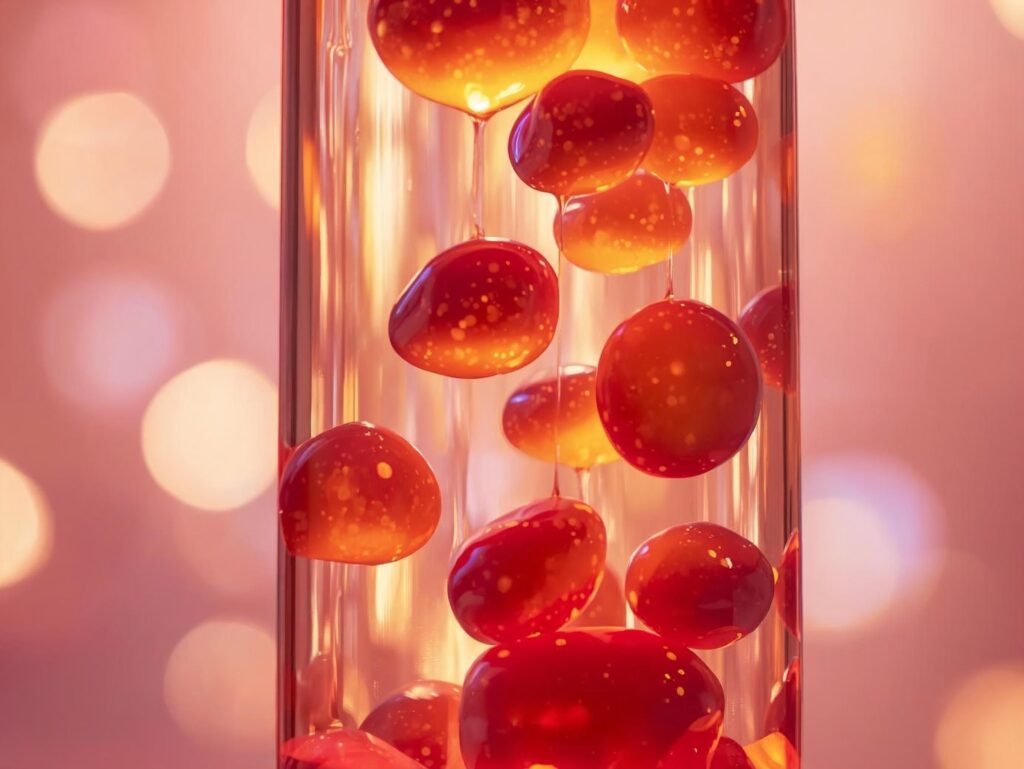
As the bulb heats the base, the wax expands and becomes less dense than the surrounding liquid. That’s why it rises in slow, shimmering blobs. When it reaches the cooler top, it contracts and becomes denser, sinking back down.
It’s an endless cycle powered by convection currents, the same principle that drives weather patterns and boiling water. Warm stuff rises, cool stuff sinks. The result? A never-ending loop of motion that feels alive.
If you could slow it down, you’d see that each “bubble” of wax is following a tiny rhythm of physics: heat, expand, rise, cool, contract, fall, repeat. That’s why it seems like the lamp never stops flowing.
Why the Flow Never Truly Stops
Technically, a lava lamp will stop moving when it’s turned off and cools completely. But while it’s powered, the temperature stays within a perfectly controlled range with just enough heat to keep the wax moving but not enough to melt it entirely.
The secret to that endless motion is density tuning. The manufacturer makes sure the wax and the liquid are almost the same density at the operating temperature. That delicate balance keeps the wax blobs suspended constantly rising, cooling, and falling in a lazy, mesmerizing cycle.
It’s not magic. It’s controlled chaos in a bottle, a delicate dance between heat and gravity that somehow feels almost human in its rhythm.
A Retro Icon That Never Lost Its Charm
The lava lamp wasn’t born in a lab; it was invented in the 1960s by Edward Craven Walker, a British entrepreneur who wanted to make “a moving sculpture of light.” The result became a pop culture icon.
From psychedelic bedrooms in the ’70s to minimalist workspaces today, lava lamps have survived every design era. They’re not just light sources; they’re mood-setters, a little pocket of nostalgia that still captures people’s curiosity decades later.
Lava Lamp Safety and Care Tips You Didn’t Know You Needed
Here’s where most people go wrong: they treat lava lamps like normal lamps. Big mistake.
To keep the motion smooth and the wax healthy:
- Never shake the lamp. It can cause the wax to break apart permanently.
- Don’t leave it on for more than 8–10 hours. Overheating can cause the wax to clump or cloud.
- Avoid direct sunlight. UV light can fade the colors and heat the wax unevenly.
- Use the correct bulb wattage. A hotter bulb won’t make it flow faster, it’ll just ruin it.
Think of it less like a lamp and more like a pet that thrives on balanced light, warmth, and calm surroundings.
Science in Motion, Art in a Bottle
So, what’s inside a lava lamp and why it never stops flowing comes down to something beautifully simple: wax, water, and the timeless laws of physics working in harmony. It’s science disguised as art, a reminder that sometimes the most mesmerizing things in life happen when balance and heat meet creativity.
Next time you turn yours on, don’t just watch it really see it. That slow, dreamlike motion? It’s the universe’s most relaxing chemistry lesson glowing right on your desk.