 By
By
Matching living room wallpaper decor with existing furniture isn’t about guessing; it’s a framework rooted in scale, color theory, undertones, pattern structure, architectural flow, and how the eye reads a space. And when everything aligns, the effect is stronger than any single wall decor living room piece or decorative mirrors for living room you get harmony, depth, and an undeniable designer polish.
In most homes, wallpaper is chosen only for “pretty pattern” or “nice color,” but professional designers know something deeper: your wallpaper and your furniture are in a constant visual conversation. Together, they create the room’s identity, scale, mood, and even how expensive the space feels. When you get this pairing right, your living room instantly looks intentional—like every detail was planned. When you get it wrong, even the best sofa or pricey wallpaper can feel disconnected.
Understand the Architecture First
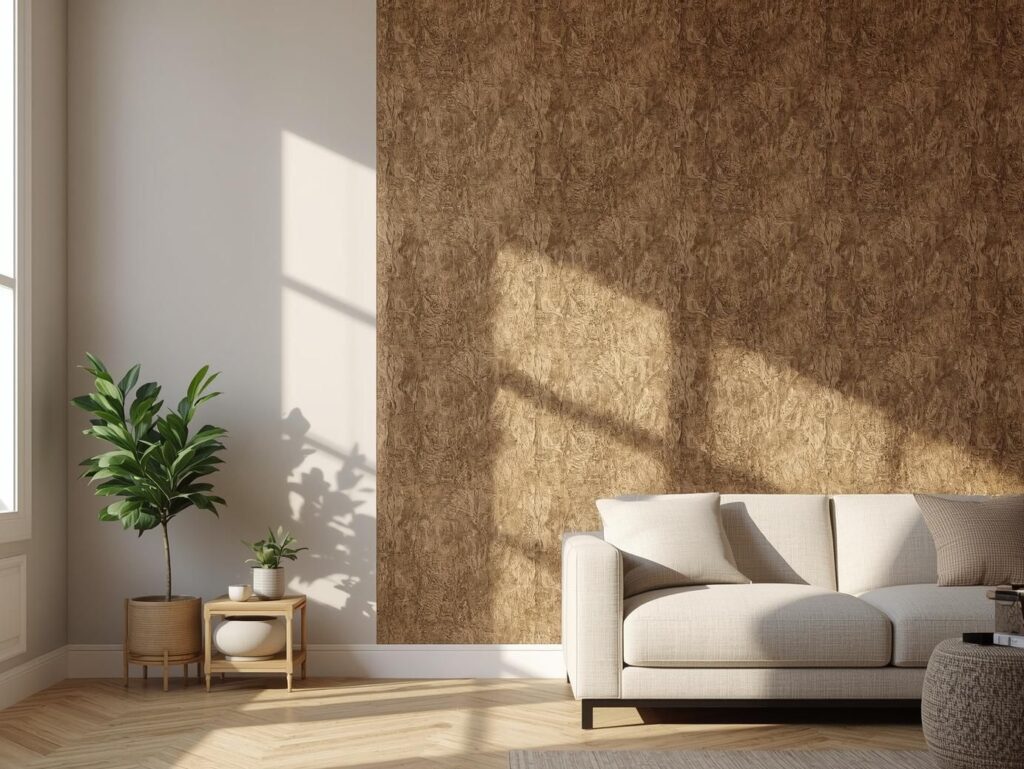
Wallpaper doesn’t behave the same in every living room. A pattern that looks soft in a bright showroom may look harsh in a dim space. Natural daylight exaggerates cool tones and makes geometric lines sharper, while warm artificial lighting softens edges and deepens muted shades.
In long living rooms, patterns with horizontal flow widen the space visually. In tall rooms, vertical lines emphasize height. And in square rooms, large-scale motifs keep the proportions balanced. Before matching wallpaper to your sofa or accent chairs, evaluate how your architecture changes the pattern’s personality throughout the day.
Wall Orientation Rules (Accent Wall vs. Wraparound Wallpaper)
Accent walls are usually best when your living room has one key furniture focus like a sofa wall or entertainment wall. Full wraparound wallpaper works beautifully for smaller spaces, Scandinavian homes, or rooms with minimal furniture because it envelops the space in one cohesive visual layer. This decision affects pattern size, texture, and how bold your wallpaper can be without overwhelming the room.
Matching Wallpaper to Furniture Style: The Designer Framework
For Modern & Minimalist Furniture
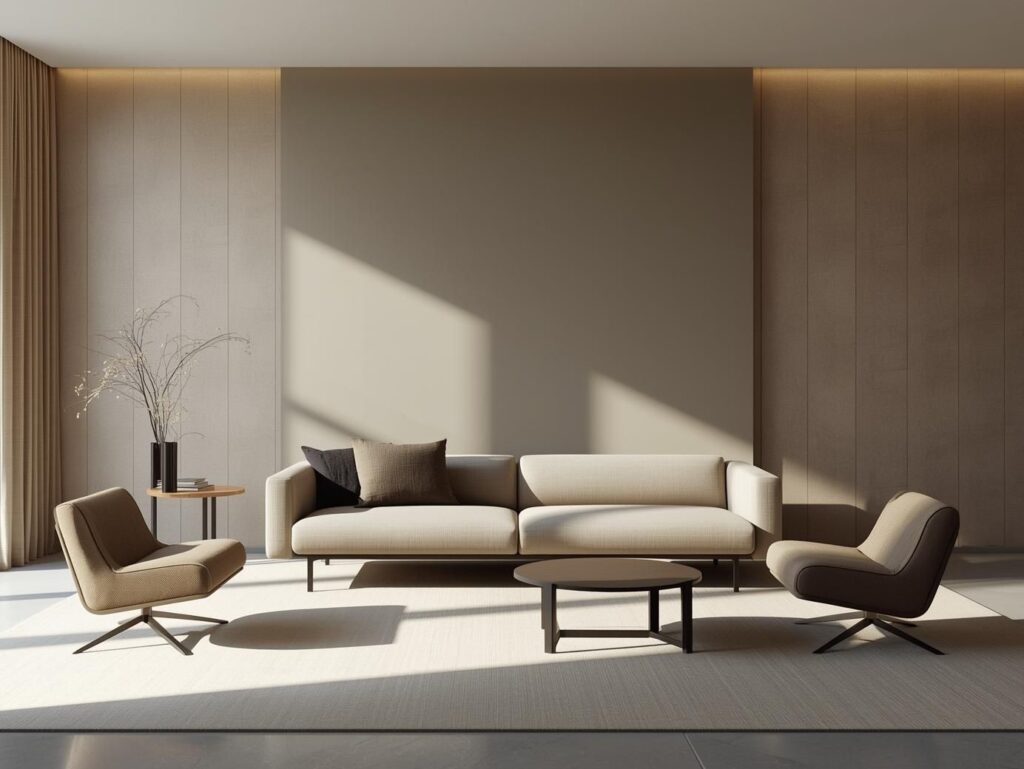
Modern living rooms often feature clean silhouettes, straight lines, and a restrained color palette. Pairing this style with busy or overly ornate wallpaper introduces visual conflict. Instead, designers lean toward:
- micro-geometrics
- toned-down gradients
- minimal abstract patterns
- linen-texture wallpapers
These enhance modern furniture without stealing attention. A matte finish works best, as glossy patterns can interfere with the natural simplicity of modern pieces.
For Mid-Century Furniture
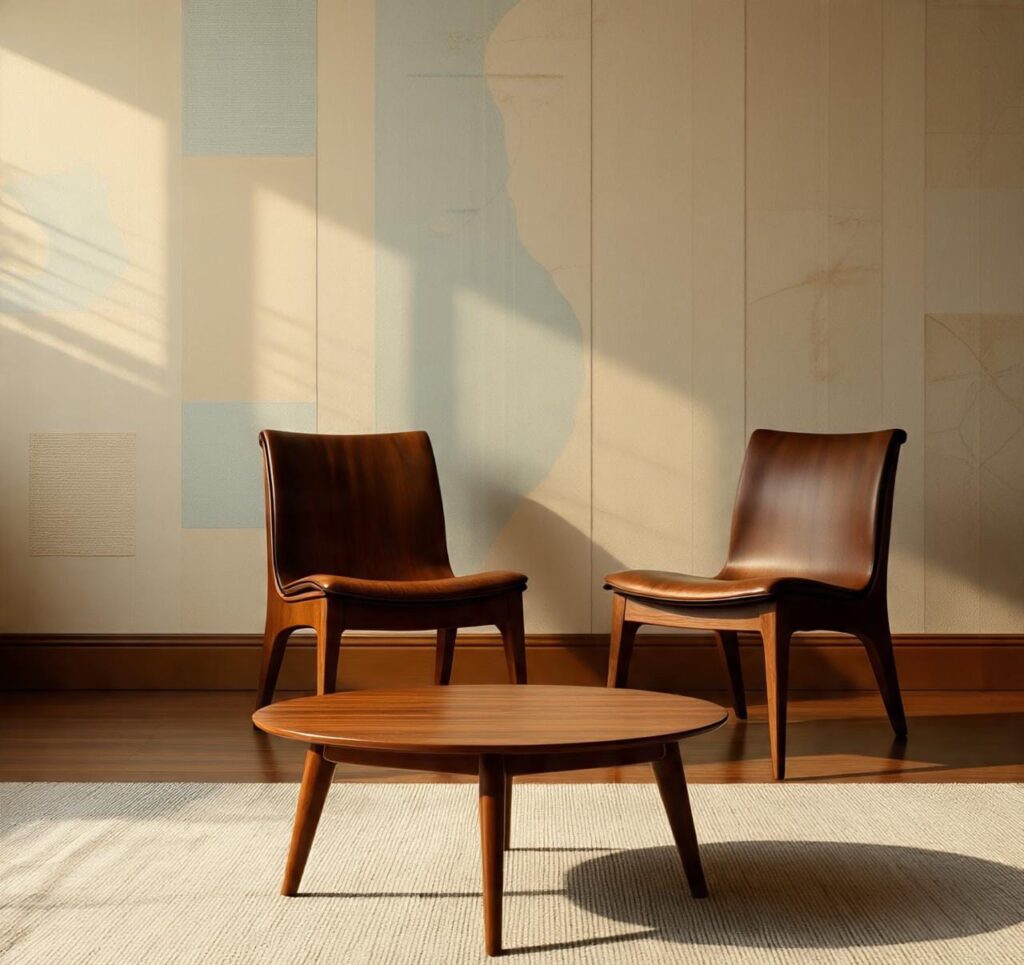
Mid-century furniture has organic curves, tapered legs, and warm woods. The best wallpapers for this room style mimic nature’s softness, muted retro hues, fluid lines, abstract botanicals, or modernized vintage motifs. One mistake people make is choosing small-scale patterns that fight the bold shapes of mid-century furniture. Instead, let the furniture lead and select gently expressive patterns that echo the era without overpowering it.
For Scandinavian Style Homes
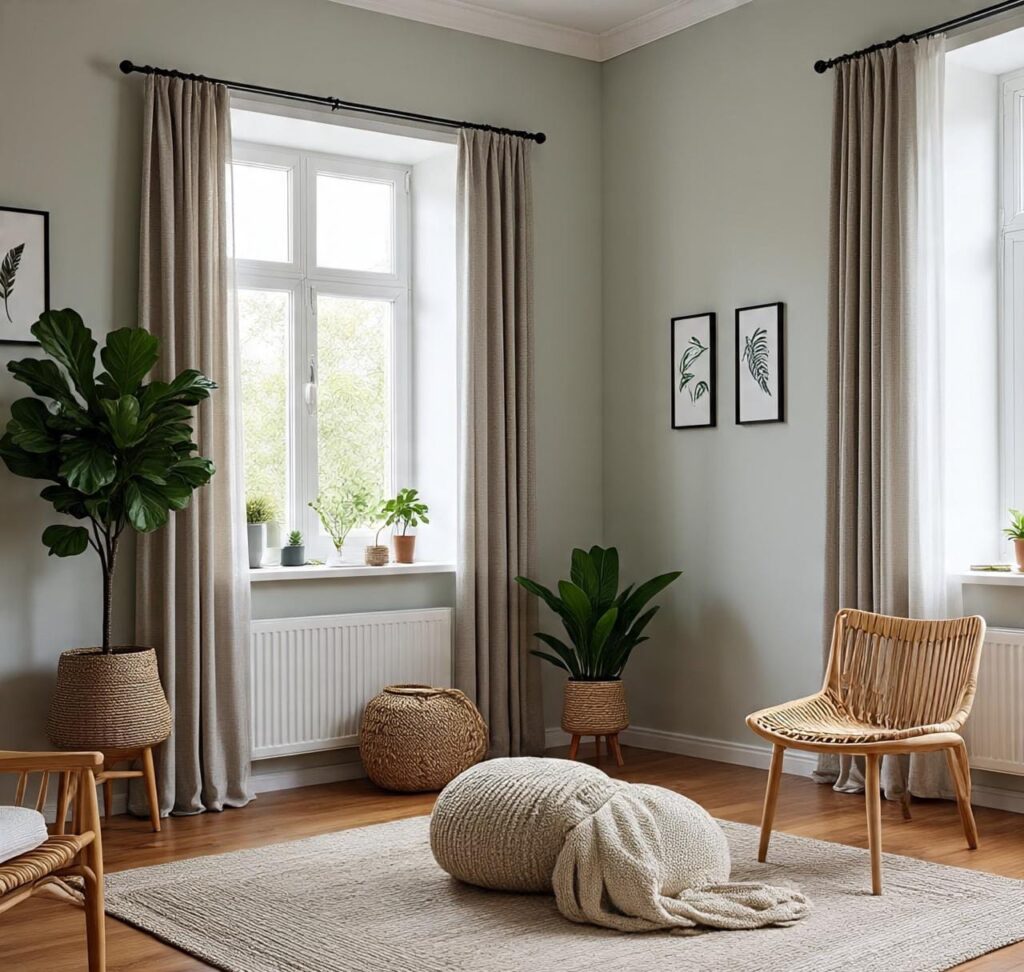
Scandinavian interiors prioritize light, softness, and relaxation. Wallpapers that suit this style include:
- low-contrast stripes
- soft botanicals
- watercolor textures
- linen and fabric-effect wallpapers
Focus on warmth through texture rather than bold pattern. This is especially effective when layering with small living room decor pieces like woven baskets or ceramic vases.
For Farmhouse or Rustic Living Rooms
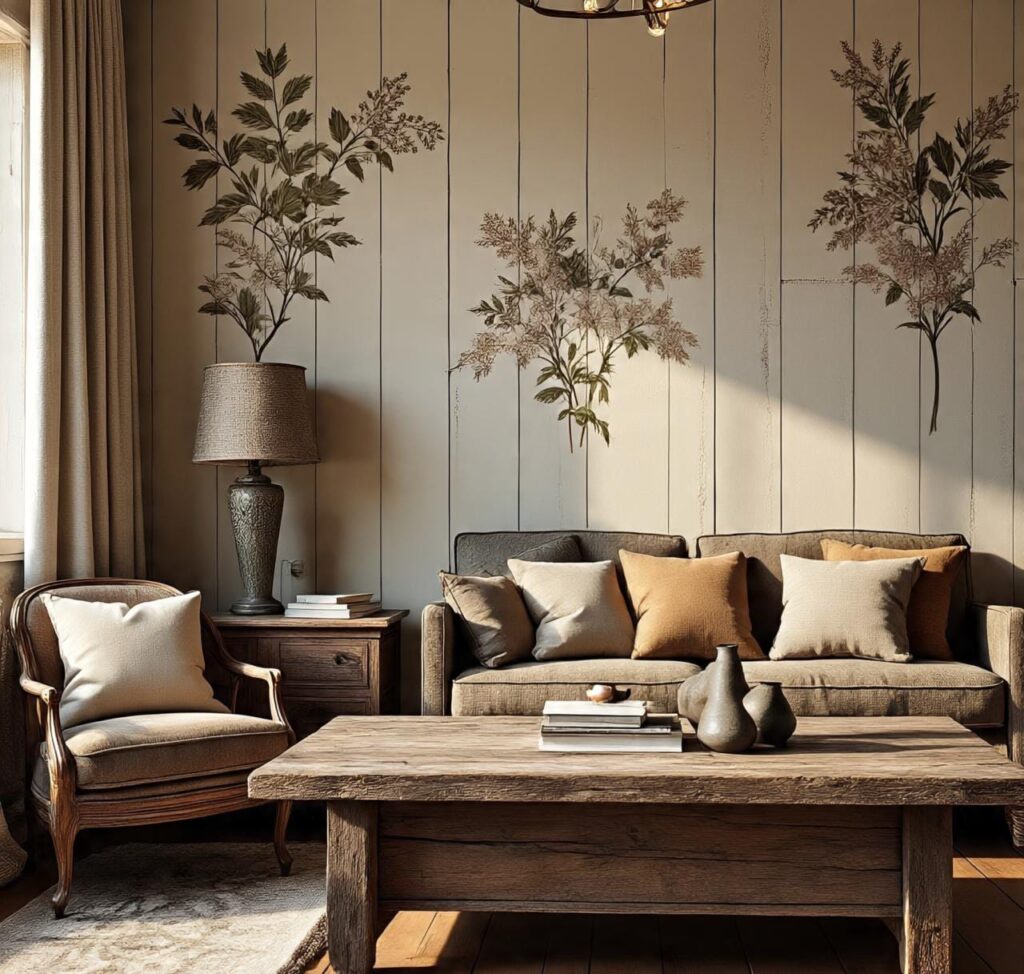
Farmhouse spaces thrive on textures, natural materials, and earth tones. Wallpaper options that pair beautifully with rustic furniture include wood-effect prints, hand-drawn florals, shiplap-inspired patterns, and plaster-texture designs. High-contrast patterns can look too modern here; soft transitions and weathered textures keep the room cozy and authentic.
For Glam, Luxe, or Art Deco Furniture
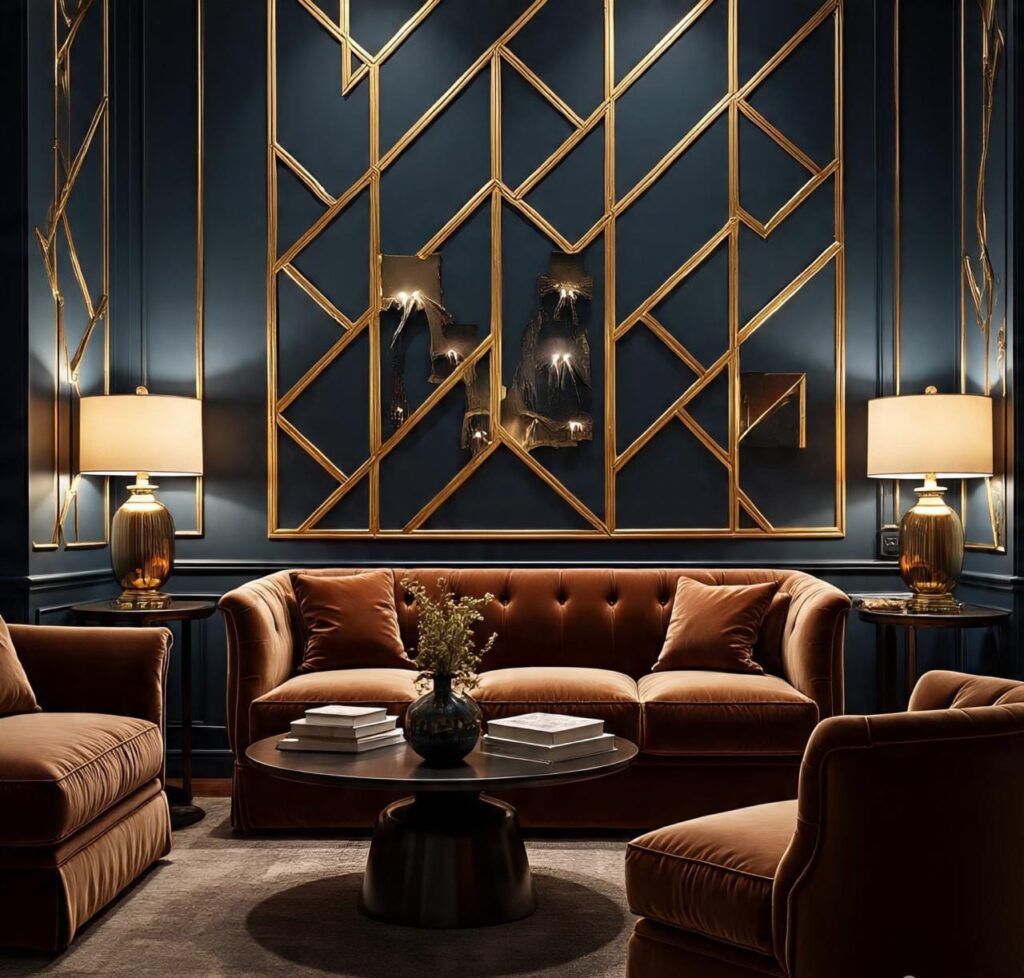
Luxurious living rooms with velvet sofas, brass accents, and marble surfaces pair well with bold, structured patterns, thick geometric lines, metallic inlays, and deep jewel tones. These wallpapers don’t just fill a wall; they photograph beautifully, which is why you often see them in high-end apartments and hotel lobbies. A touch of sheen or gold linework elevates the look instantly.
The Pattern Scale Formula
Large-Scale Patterns & Oversized Furniture
Large furniture pieces like deep sofas, wide sectionals, or tall bookcases pair best with larger patterns. Tiny motifs get lost behind oversized furniture and create visual noise. Big patterns balance the scale and make the room feel cohesive.
Small-Scale Patterns & Light, Slim Furniture
If your furniture features slim legs, low profiles, or light wood, small-scale patterns can create depth without adding clutter. This is ideal for Scandinavian or Japandi homes where visual lightness is essential.
The 70–30 Ratio Rule for Mixing Busy Patterns
A lesser-known designer trick: If your furniture already has patterns (like a striped sofa or printed armchair), let the wallpaper represent only 30% of the visual pattern load. This prevents the room from feeling chaotic. Wallpaper should complement—not compete with—upholstery fabrics.
Choosing Color Palettes That Match Your Furniture
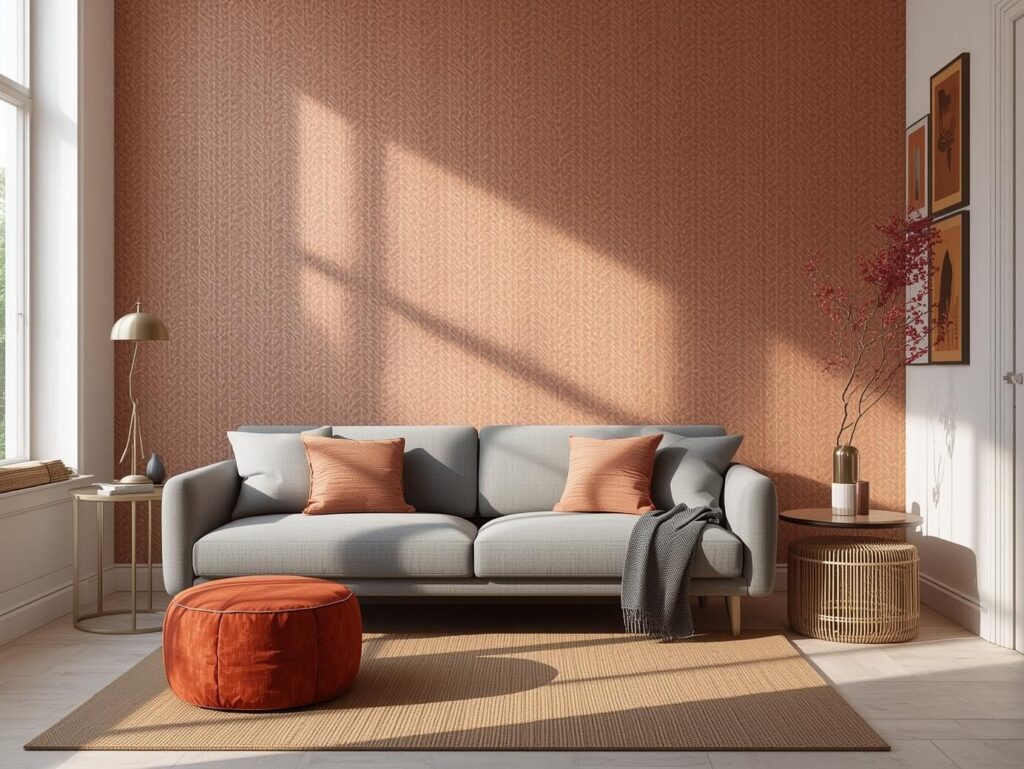
The Three-Color Cohesion Method
Pick one color from your wallpaper to connect with your sofa, another to tie into your accent chairs, and a third to support your decor elements like rugs, lamps, or artwork. This method ensures your living room never feels random.
Warm vs. Cool Undertones: The Real Reason Many Homes Look “Off”
Matching colors without checking undertones results in uncomfortable harmony. Gray-blue wallpaper against a beige sofa creates visual tension. Always compare undertones in natural daylight before finalizing a wallpaper.
Texture Matching: Fabric vs. Wallpaper Texture
Furniture texture should guide wallpaper texture:
- Velvet sofas → matte or suede-style wallpaper
- Leather sofas → stone, concrete, or plaster textures
- Woven or linen furniture → organic, nature-inspired patterns
Texture matching creates a tactile balance that elevates the space beyond simple color coordination.
Creating Focal Points: How Wallpaper Supports the Main Furniture Piece
Use wallpaper that frames the sofa without competing for attention. Patterns with soft movement like large flowing botanicals or gradients enhance the furniture’s presence.
Choose low-contrast patterns to prevent distraction. TV walls benefit from textured or matte wallpapers because they reduce glare.
Accent chairs often have bold colors or sculptural shapes. Pair them with wrappers or small-scale patterns behind them to help them stand out with intention.
Wallpaper Placement Strategies
In rooms with multiple large furniture pieces, wallpapering just one wall keeps the space grounded without overwhelming it.
Narrow living rooms benefit from full wraparound wallpaper because it visually softens harsh boundaries. Tall rooms feel more proportionate with complete coverage.
Ceiling wallpaper works best with low-slung furniture like floor cushions, minimal sofas, or open living rooms. It pulls the gaze upward and transforms the living room into an immersive environment.
Mistakes People Make When Matching Wallpaper & Furniture
Perfectly matching your wallpaper to your sofa creates a showroom effect that lacks character. Subtle variation is more sophisticated.
When both the furniture and wallpaper are visually dense, the eye becomes overwhelmed. Balance heavy furniture with smooth, soft-flow wallpaper.
Trendy patterns are easily misused especially without understanding how they interact with furniture placement and natural light. Always evaluate them within your actual room conditions.
Real Examples
1- Neutral Sofa + Textured Linen Wallpaper
A beige or gray sofa looks richer against linen-textured wallpaper. It adds depth without color commitment.
2- Colorful Sofa + Soft Watercolor Wallpaper
A teal or mustard sofa pairs beautifully with watercolor wallpapers that gently echo the sofa’s tones.
3- Dark Furniture + Metallic Art Deco Wallpaper
Black leather or dark velvet becomes dramatic when paired with structured gold geometric patterns.
4- Rattan Furniture + Botanical Wallpaper
In airy living rooms, botanical prints amplify warmth and complement natural fibers.
Buying Guide
Attach wallpaper samples to cardboard boards. Move them around the room at different times of day. Compare them against furniture from multiple angles.
Smartphones exaggerate contrast. If your wallpaper looks too vibrant on camera, it may feel overpowering when installed. This test helps avoid surprises.
Apps like RoomSketcher or DecorMatters allow you to visualize wallpaper behind your actual furniture. It’s the easiest way to avoid scale or tone mismatches.
Budget Options That Still Look Custom
Modern peel-and-stick options mimic the richness of luxury wallpaper without damage. Pair them with lightweight furniture and small living room decor for best results.
Paint techniques, limewash, and brushed plaster create depth similar to high-end wallpaper at a fraction of the cost.
Use thin linework patterns in muted tones. They read sophisticated without requiring bold colors or large-scale motifs.
Final Thoughts
Wallpaper and furniture aren’t separate decisions; they’re interconnected elements that define the styling, flow, and mood of your living room. When you understand scale, undertones, pattern behavior, and architectural influence, your living room gains a designer-level cohesion that even luxury homes strive for. Whether you’re updating wall decor living room ideas, adjusting living room corner decor, or integrating decorative mirrors for living room areas, the right wallpaper becomes the foundation that ties everything together.
A well-matched wallpaper and furniture pairing doesn’t just decorate a room it tells a story, elevates your home, and gives your living room a polished, intentional look that stands out on any design platform