 By
By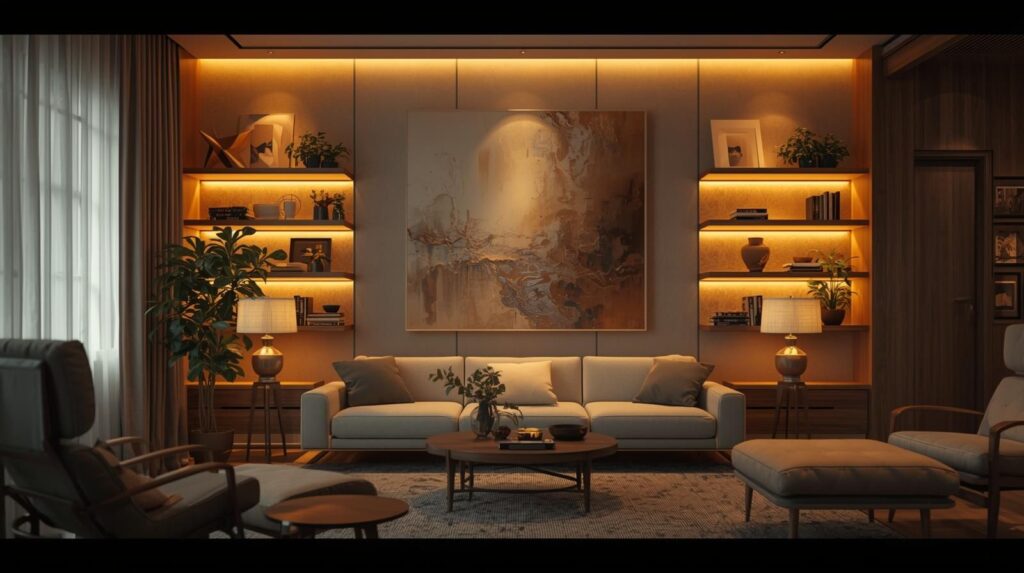
Have you ever walked into a room and felt like something was missing? Maybe the furniture looked fine, the colors were okay, but the walls felt empty… almost like the room had no personality. That’s the magic of wall decor — it’s the heartbeat of a space. It turns plain walls into something that feels warm, stylish, and truly you.
A lot of people struggle with decorating their walls. Some hang artwork that’s too tiny, others mix styles that don’t match, and many just stare at a blank wall not knowing where to start. Trust me, I’ve seen these challenges over and over again through years of studying interior design trends and helping people fix rooms that just didn’t “feel right.”
In this guide, I’ll walk you through everything—from choosing the right style to picking decor that fits each room perfectly. You’ll learn how to measure correctly, how to avoid common mistakes, and how to create walls that look professionally styled even if you’re a total beginner.
By the end, you won’t just understand wall decor… you’ll be able to transform any room with confidence. Let’s get started.
What Is Wall Decor?
Before we jump into ideas and styling tricks, let’s slow down for a moment and understand what wall decor really means. In interior design, wall decor is anything you place on your walls to add personality, style, or function. It’s the art of turning a blank, boring surface into something that feels alive and intentional.
Walls do a lot more than just hold up a house—they shape the mood of a room. The right home wall decor can make a small space feel bigger, a dull room feel warm, or a busy room feel balanced. Think of your walls like the backdrop of your life. When they look good, everything else starts making sense too.
Wall décor comes in many forms, and each one adds its own kind of magic. Here are some of the most popular types:
Art
Paintings, prints, sketches, canvases—art brings emotion and color into a space. It can be bold, calm, fun, or personal.
Textures
This includes woven hangings, tapestries, wood panels, and even textured wallpapers. Textures add depth and make a room feel cozy and layered.
Shelving
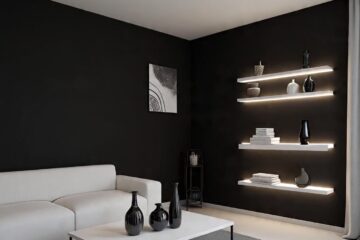
Floating shelves give you a place to display plants, books, or little decor pieces. They mix beauty with function.
Mirrors
Mirrors reflect light and instantly make rooms look bigger and brighter. They’re great for tiny spaces or dark corners.
Functional Decor
This includes clocks, wall organizers, hooks, or bulletin boards. They look good and make life easier.
Throughout this guide, we’ll explore tons of wall decoration ideas and how to mix these elements in a way that feels stylish, balanced, and uniquely yours. You’re about to see how much potential your walls really have!
Wall Decor Basics: Design Principles Every Beginner Must Know
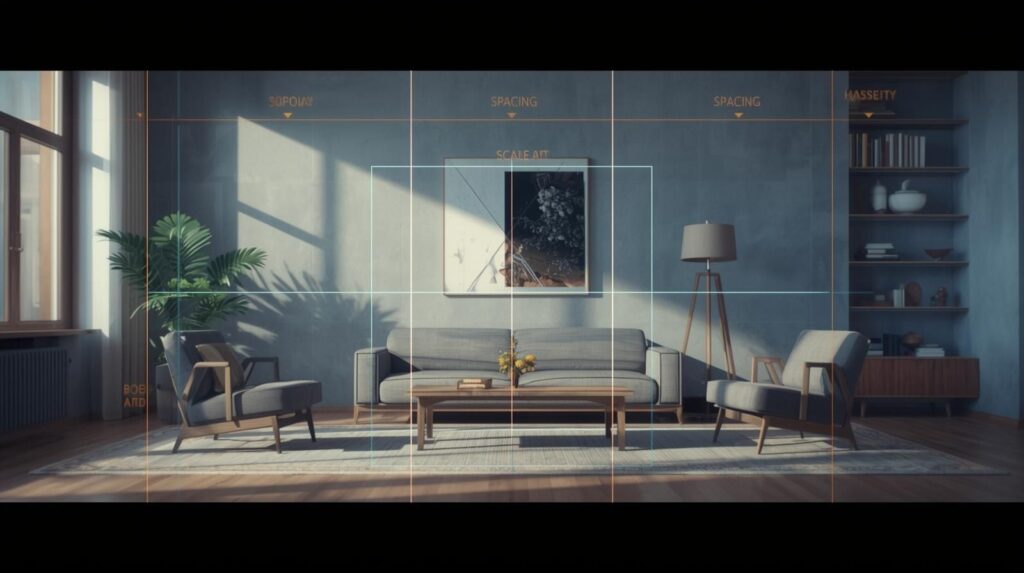
Before you start hanging frames or picking colors, it helps to understand a few basics. These are the simple rules interior designers use to make any room look balanced, calm, and beautifully put together. And don’t worry—no fancy jargon. Just things you’ll instantly “get” once you hear them.
1. Balance & Symmetry
Have you ever hung something on one side of a wall and then felt like the whole room suddenly tilted? That’s what happens when a wall looks “too heavy” on one side.
Balance is about spreading visual weight evenly so the room feels stable and comfortable.
You can do this in two ways:
Symmetrical Arrangements
Perfect for people who like clean, neat, and peaceful rooms.
Think: two frames on each side of a mirror, matching lamps, or a grid-style gallery wall.
Asymmetrical Arrangements
Great when you want a playful or modern look.
Instead of matching pieces, you arrange items of different sizes in a way that still feels balanced.
The goal: even if things don’t match, the wall still feels stable and not “lopsided.”
2. Color Harmony
Colors affect the mood of your space way more than most people realize.
Two super simple color tricks:
Complementary Colors
Opposites on the color wheel—like blue and orange.
They pop beautifully and add energy.
Analogous Colors
Colors next to each other—like green, teal, and blue.
These feel calm and relaxing.
When choosing wall decor, always glance around your room first.
- What color is the sofa?
- The rug?
- The curtains?
Your wall decor should either blend with the room or intentionally stand out, but never accidentally clash.
3. Scale, Proportion & Spacing
This is the part that many beginners skip—and it’s why their walls don’t look “right.”
Use the 60–80% Rule
Your wall decor should take up about 60–80% of the empty wall space above a major piece of furniture.
Example:
If you have a sofa that’s 6 feet wide, your art arrangement should be about 3.5 to 5 feet wide.
It’s a simple trick, but it makes every wall look professionally designed.
Frame Spacing
A good rule:
Keep 2–3 inches of space between frames when creating a gallery wall.
Too much spacing looks disconnected.
Too little looks crowded.
4. Focal Points
Every room needs one “hero”—a piece that your eyes naturally go to first.
Could be:
- A large painting
- An oversized mirror
- A bold tapestry
- A dramatic shelf setup
A strong focal point guides the room’s energy.
It tells the eye, “Start here,” and once that feels good, the rest of the room falls into place.
Types of Wall Decor (Complete Breakdown)
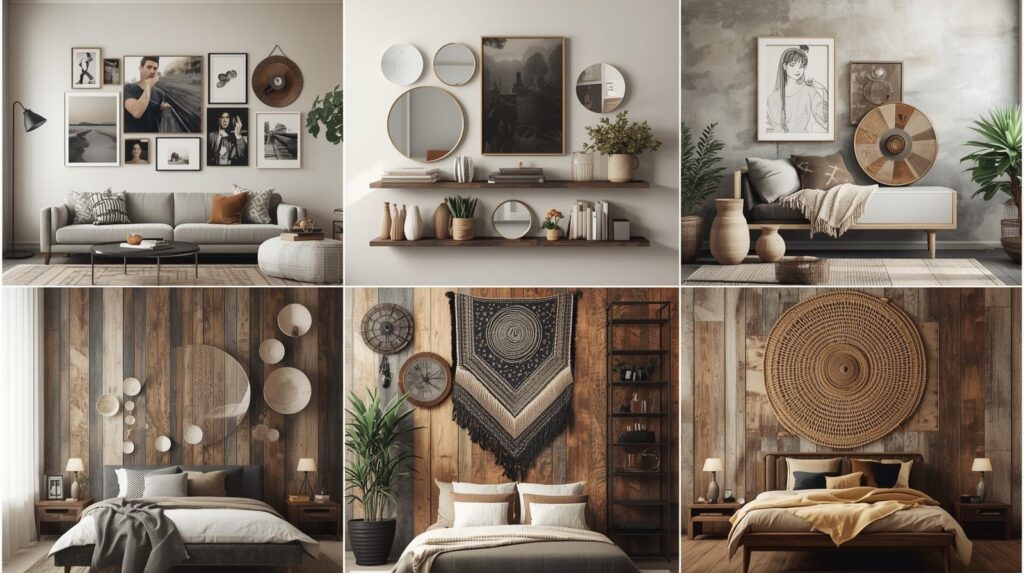
Now that you know the basics, let’s explore all the different kinds of wall decor you can use to bring your space to life. Think of this as your “menu” of options. Each type has its own personality, purpose, and perfect spot in your home. As you read, imagine how each one could fit into your own rooms.
1. Wall Art (Prints, Canvas, Paintings)
If wall decor had a “classic favorite,” art would be it. Whether it’s a bold canvas above your sofa or a set of simple prints in your hallway, wall art brings emotion and story into a room.
Pros
- Instantly adds personality
- Endless styles (minimal, abstract, nature, modern)
- Easy to switch out when you want a fresh look
Cons
- Large pieces can be pricey
- Wrong sizing is a common mistake
Best Placement
- Over the sofa
- Above the bed
- Behind a console table
- Hallways or entryways
Choosing the Right Art Style
Pick something that makes you feel something. Soft colors for calm spaces, bold artwork for energetic rooms, or black-and-white prints for a clean, modern look.
2. Mirrors
Mirrors do more than help you check your hair—they can completely transform a room.
How Mirrors Expand Space & Light
Mirrors bounce light around, making small rooms feel bigger and brighter. Perfect for apartments, dark corners, or narrow hallways.
Best Shapes & Sizes
- Round mirrors: soften the look of the space
- Tall mirrors: great for bedrooms or dressing areas
- Large rectangular mirrors: perfect for living rooms or dining rooms
A single, well-placed mirror can feel like magic.
3. Shelves & Floating Units
Shelves are the perfect mix of beauty and practicality. They turn a blank wall into a styled display area while also giving you extra storage.
Styling Tips
- Mix books with small plants
- Add framed photos
- Use different heights and textures for balance
- Keep clutter minimal for a clean look
Functional vs Decorative Shelves
- Functional: for books, storage baskets, everyday items
- Decorative: for plants, art, candles, small sculptures
Floating shelves are especially trendy in modern home wall decor.
4. Wall Panels & Textures
Want a wall that feels luxurious or dramatic? Textures are your friend.
Options
- Wood slats for warmth
- 3D panels for a modern look
- Stone or brick for rustic charm
- Wallpaper for bold patterns or soft elegance
When to Use Textured Walls
Use them when you want to create a strong focal point—like behind a bed or TV unit. Just one accent wall can completely reshape the look of the room.
5. Tapestries & Fabric Art
If you love cozy, boho, or artistic spaces, fabric decor is a perfect choice.
Why They Work
- Add softness and warmth
- Fill up large walls without feeling “heavy”
- Bring color and movement into a room
Placement Guidelines
- Above the bed
- Behind a reading chair
- Large empty walls in living rooms
- Teens’ or kids’ rooms for a fun, relaxed vibe
They’re affordable, easy to hang, and great for renters.
6. Metal & Wooden Decor Pieces
These pieces add texture, personality, and a unique touch to your wall decoration ideas.
Industrial vs Rustic Styles
- Industrial: metal grids, gears, wires, black iron
- Rustic: wooden carvings, farmhouse signs, handcrafted pieces
Both styles work beautifully when mixed with modern furniture.
Mixing Materials
Don’t be afraid to combine metal and wood. The contrast creates depth and gives your wall a stylish, collected-over-time look.
Wall Decor Styles (Modern to Rustic)
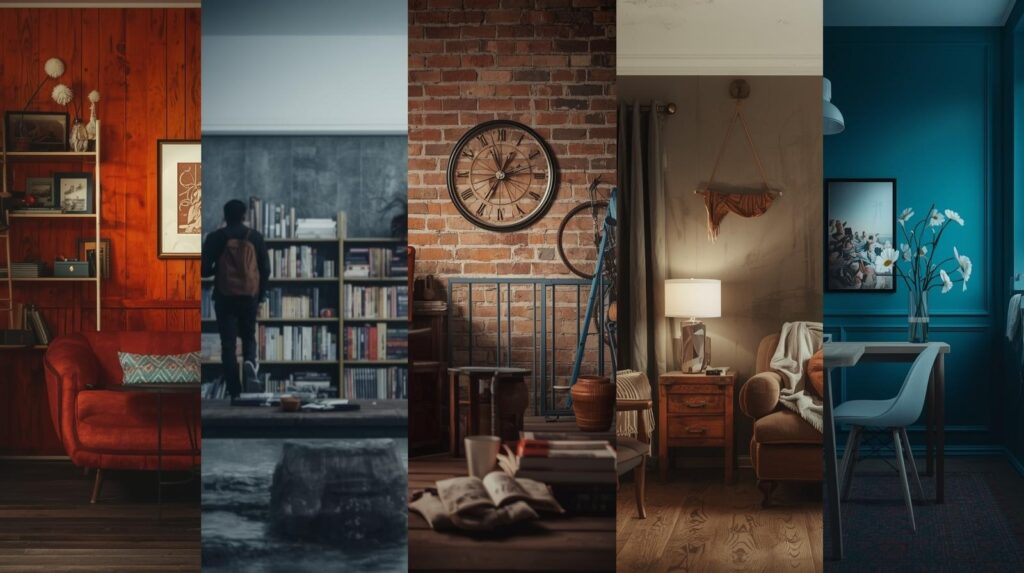
When it comes to choosing the perfect wall decor, your style is what ties everything together. Think of it like choosing an outfit for your home—each style brings its own personality, mood, and vibe. Here’s an easy breakdown so you can instantly recognize what feels right for your space.
1. Modern & Minimalist Wall Decor
If you love clean lines, open spaces, and a calm, uncluttered look, this style might be your home’s soulmate.
What it looks like:
- Neutral tones (white, gray, beige, black)
- Simple frames
- Geometric prints
- Abstract art
Example setups:
Picture a living room with a soft gray sofa, one large black-and-white canvas above it, and maybe a slim metal wall shelf holding just one plant. That’s modern wall decor—calm, sharp, and stylish without trying too hard.
2. Rustic & Farmhouse Style
Warm, cozy, and welcoming—this style feels like stepping into a comfortable countryside home.
Key features:
- Warm woods
- Distressed finishes
- Earthy tones
- Handcrafted pieces
Best color combinations:
Cream + warm brown
Soft gray + natural wood
Olive green + beige
Rustic wall decor makes a room feel lived-in and full of heart.
3. Industrial Wall Decor
Think of stylish loft apartments with exposed brick walls and metal beams. Industrial style mixes raw materials with modern design.
Signature elements:
- Metal frames
- Iron pipes as shelves
- Concrete textures
- Black accents
Decor examples:
A metal grid used as a photo board, pipe-style shelving, or oversized industrial clocks. It’s bold, edgy, and incredibly trendy.
4. Boho & Eclectic Style
This style is perfect for free spirits who love color, culture, and layers.
What you’ll see:
- Woven tapestries
- Colorful art
- Tribal patterns
- Macramé hangings
- Mixed prints and textures
Boho wall decor doesn’t follow strict rules—it feels relaxed, playful, and full of personality.
5. Traditional & Classic
If you love timeless elegance, this style might be for you. It never goes out of fashion.
Key features:
- Ornate art pieces
- Gold and wooden frames
- Symmetrical layouts
- Historical or landscape art
Traditional wall decor creates a rich, polished look—perfect for formal living rooms or dining areas.
6. Scandinavian Simple Decor
Calm, clean, and effortlessly beautiful—Scandi style focuses on simplicity and function.
Key elements:
- Light color palettes (white, cream, soft gray)
- Minimalist art
- Natural materials
- Functional pieces
Think soft textures, clean shelves, and simple prints that make the room feel fresh and airy.
Wall Decor for Every Room (Room-by-Room Guide)
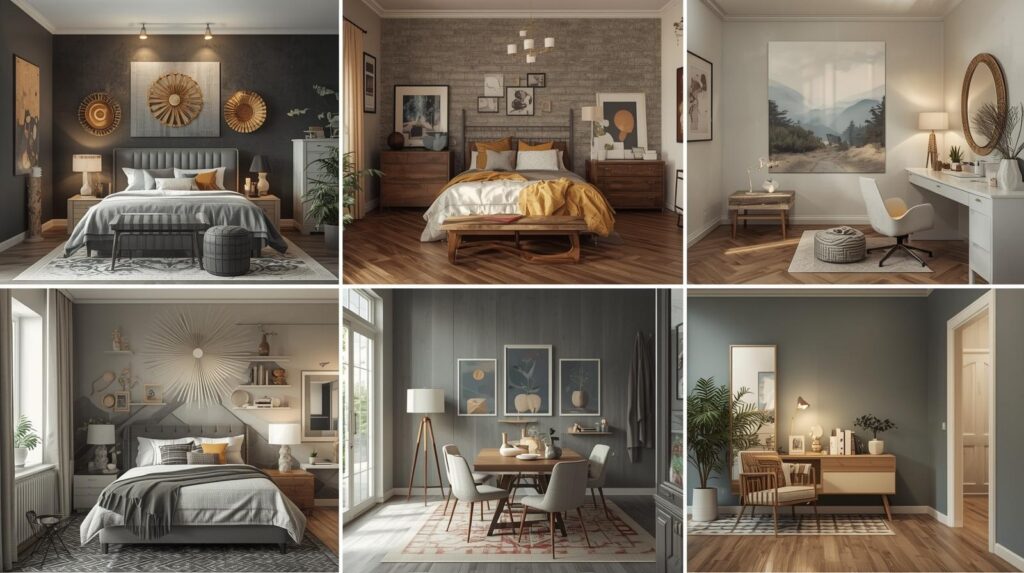
Every room in your home has its own personality, needs, and challenges. That’s why the best home decor wall ideas feel different from space to space. Let’s walk room by room so you know exactly what works where and why.
1. Living Room Wall Decor
Your living room is usually the first place people see, so the walls here set the tone for your whole home.
Focal Point Rules
Pick one “hero” piece—like a large painting, oversized mirror, or a gallery wall. This will guide your whole layout. If you try to make everything the star, nothing stands out.
Size & Height Guidelines
- Art should fill 60–80% of the wall space above your sofa.
- Hang art at eye level, around 57–60 inches from the floor.
- If you’re using multiple frames, keep the spacing equal for a clean look.
A well-designed living room wall instantly makes the room feel warm, stylish, and intentional.
2. Bedroom Wall Decor
Bedrooms are your personal comfort zone, so your wall decor should feel calm, cozy, and soothing.
Above-Bed Art Rules
- One horizontal piece
OR - A pair of frames
OR - A small gallery set (3–5 pieces)
Just keep everything centered over the headboard so the room feels balanced.
Minimum & Maximum Sizing
- Don’t use tiny art above a large bed—it disappears.
- Aim for decor that’s at least half the width of your bed.
- For minimalists, one big piece works wonders.
Soft colors, fabric art, or calming prints work beautifully in bedrooms.
3. Kitchen Wall Decor
Kitchens may be practical, but they deserve charm too.
Functional + Stylish Ideas
- Floating shelves with spices or mini plants
- Small framed art in safe areas
- Recipe boards or menu boards
- Magnetic organizers
These add style without taking up precious counter space.
Chalkboards, Shelves & Tiny Art
A chalkboard wall is perfect for reminders or meal plans.
Tiny framed quotes look cute on corners or near the dining space.
Kitchen wall decor should make cooking feel joyful, not overwhelming.
4. Bathroom Wall Decor
Bathrooms are usually small, but that doesn’t mean boring.
Moisture-Safe Materials
Use decor that can handle humidity:
- Metal frames
- Acrylic prints
- Ceramic pieces
Avoid delicate paper prints unless they’re sealed.
Mirrors & Micro Wall Art
- A beautiful mirror can transform a tiny bathroom.
- Small art pieces work well above the toilet or beside the vanity.
Think clean, bright, and minimal.
5. Entryway Wall Decor
Your entryway is your home’s “hello.” It sets the first impression before anyone even takes off their shoes.
First Impression Principles
- Keep it uncluttered
- Use decor that feels welcoming
- Add one strong piece instead of many small ones
Mirror & Lighting Pairings
A mirror + a stylish wall sconce or lamp = perfect combo.
It makes the space feel bigger, brighter, and more inviting.
Entryways should feel open, not cramped.
6. Home Office Wall Decor
The right wall decor can actually boost your focus and mood while working.
Productivity-Centered Decor
- Minimalist art that inspires instead of distracts
- Mood boards
- Floating shelves with clean styling
Wall Organizers + Inspiration Boards
Use your vertical space to stay organized:
- Pegboards
- Calendar boards
- Corkboards
- Dry-erase inspiration boards
A beautifully decorated office makes work feel lighter and more enjoyable.
Measurements & Placement Rules (Expert Tips You Can Trust)
Great wall decor isn’t just about what you hang—it’s how you hang it. A beautiful piece placed at the wrong height or wrong size can instantly make the whole room feel “off.”
These simple rules are the same ones professional interior designers use every single day, and once you learn them, you’ll never look at your walls the same way again.
1. How High to Hang Wall Art
You’ve probably seen homes where the art is so high it feels like it’s floating away. The secret to avoiding that is the 57–60 inch rule.
The 57–60 Inches Rule Explained
- The center of your artwork should sit 57–60 inches from the floor. Why? Because that’s the average eye level, and art feels most natural when you can look straight at it without lifting your chin.
Adjusting for Different Ceiling Heights
- Tall ceilings (10 ft or higher):
You can raise the artwork an inch or two, but don’t go too high or the wall will feel empty. - Short ceilings (8 ft):
Stick to the lower end of the range (57–58 inches) so the room feels taller.
Think of this rule as your home’s “sweet spot.”
2. Wall Art Size Guide
Choosing the right size is everything. Too small makes your room feel unfinished. Too big can overwhelm the space.
The 2/3 Width Rule (Simple but Powerful)
When placing art over furniture—sofas, beds, consoles—your decor should be about two-thirds the width of the piece below it.
Examples:
- Sofa is 90 inches → art should be around 60 inches wide
- Bed is 70 inches → art should be about 45 inches wide
This one rule alone instantly makes rooms feel professionally designed.
Ideal Sizing for Small vs. Large Rooms
- Small rooms:
Use one strong piece or a tight cluster of smaller frames. - Large rooms:
Go big. Oversized art or a wide gallery wall can anchor the space and prevent it from feeling empty.
3. Gallery Wall Layouts
Gallery walls look effortless when they’re actually very intentional.
Symmetrical Gallery Walls
- Perfect for modern, traditional, and minimalist homes
- Frames are equally sized
- Clean rows and columns
These feel calm and balanced.
Organic Gallery Walls
- Frames of different sizes and shapes
- A more “collected over time” look
- Works well in eclectic, boho, and artsy homes
These feel relaxed and full of personality.
Spacing & Alignment Rules
- Keep 2–3 inches between each frame
- Align one invisible central line (top, middle, or bottom)
Consistency is what makes everything look pulled together.
4. Large Wall Decor Rules
Oversized walls—like long hallways, staircases, or big living rooms—can feel intimidating. But they’re actually your best opportunity to make a statement.
Filling Oversized Empty Walls
Choose:
- One giant art piece
- Multiple large vertical pieces
- Extra-wide gallery walls
- Oversized mirrors
Don’t be afraid to go bold—large walls need large decor.
Horizontal vs. Vertical Balance
- Wide wall:
Use horizontal pieces to stretch the room visually. - Tall wall:
Use vertical art or stacked frames to draw the eyes upward.
A good balance keeps the room feeling grounded and stylish.
How to Choose Wall Decor for Your Interior Style
Choosing wall decor feels a lot easier when you understand your style first. Think of it like picking clothes—you wouldn’t buy a jacket that doesn’t match your vibe, right?
Identify Your Style (Mini Quiz)
Ask yourself:
- Do I like clean lines and simple colors? (Modern/minimalist)
- Do warm woods and cozy textures make me happy? (Farmhouse/Rustic)
- Do I love bold patterns and colorful pieces? (Boho/Eclectic)
- Do metal accents and raw textures stand out to me? (Industrial)
Your answers reveal the direction your walls should follow.
Match Decor to Room Function
- Living Room: Choose something that starts conversations—like a large canvas or bold mirror.
- Bedroom: Softer, calming pieces that help you wind down.
- Kitchen: Functional and fun décor like chalkboards, small prints, or shelving.
- Office: Motivational quotes, clean lines, and inspiration boards.
Mix Styles Without Clutter
If you like a blend of styles, keep one dominant style and let the others act as accents. For example, a modern room with a rustic wooden shelf looks intentional—but mixing five styles at once creates chaos.
Use one or two connecting elements:
- Shared colors
- Similar materials
- Consistent frame style
That’s the secret to a cohesive, lived-in look.
Expert Tips to Avoid Common Wall Decor Mistakes
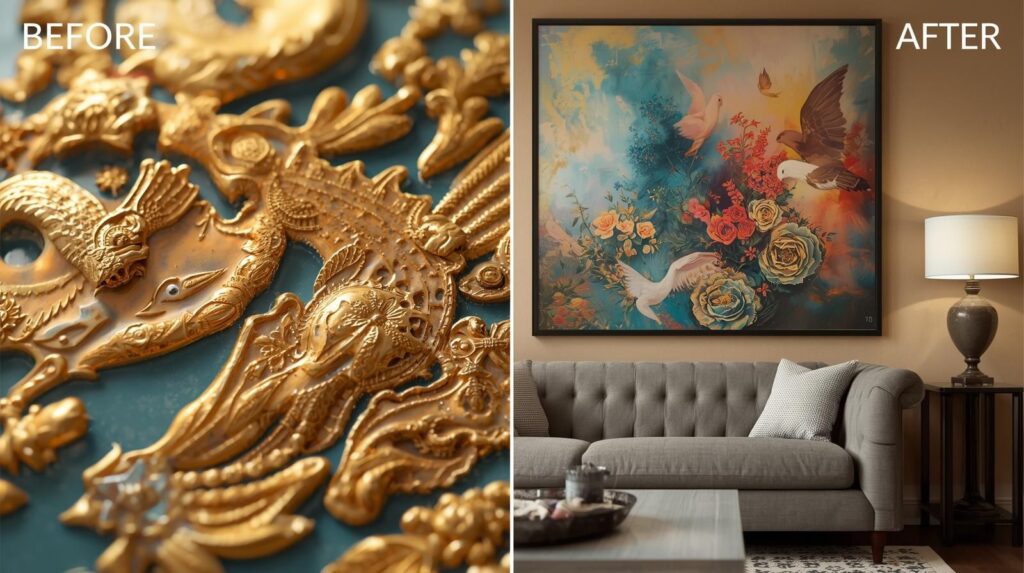
Everyone makes decorating mistakes—so here’s how to dodge the big ones.
1. Art Hung Too High
Fix: Keep the center of your artwork around 57–60 inches from the floor.
2. Wrong-Sized Decor
Tiny frames on a huge wall look lost.
Fix: Follow the 2/3 width rule when hanging art above sofas, beds, or consoles.
3. Colors That Don’t Match Furniture
If the decor doesn’t match your room’s palette, the space feels messy.
Fix: Pick decor that includes at least one color already in your room.
4. Buying Decor Before Knowing Your Style
This is the fastest way to create a confusing, unbalanced room.
Fix: Define your style first—then shop with intention.
5. Overdecorating Small Rooms
Crowded walls shrink your space.
Fix: Choose one focal point and let the rest breathe.
6. Under-Decorating Large Walls
Huge blank walls make a home look unfinished.
Fix: Use oversized art, wall panels, or a gallery layout.
Budget-Friendly Wall Decor Ideas (Value Section)
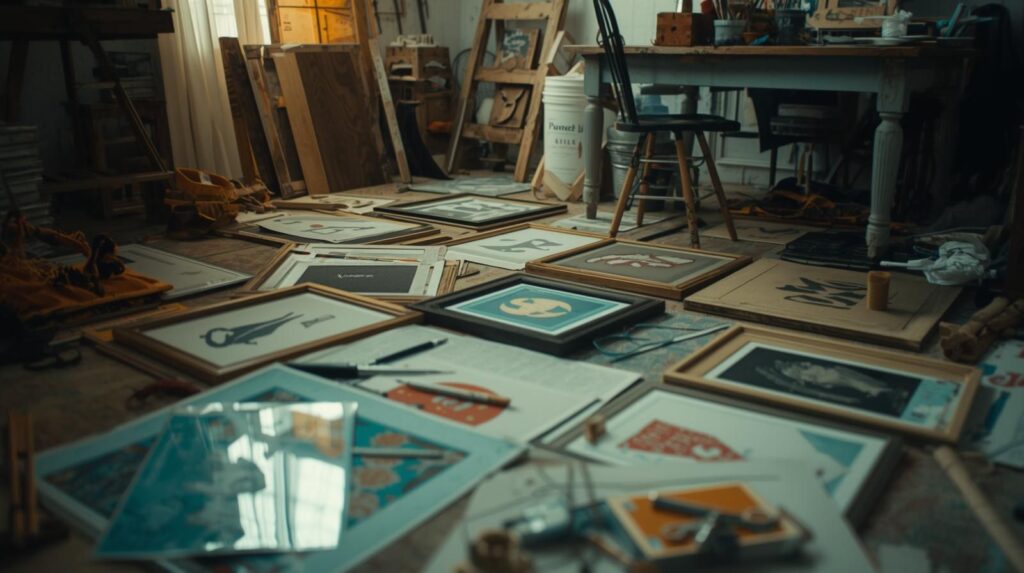
You don’t need a huge budget to make your walls look amazing. Sometimes, the most creative setups come from simple, affordable ideas.
DIY Projects
Paint your own abstract canvas, build small shelves, or create textured art using spackle paste.
Printable Art
Downloadable prints are a lifesaver—cheap, stylish, and customizable.
Affordable Frames
Retail stores and online shops offer budget-friendly frames in every style.
Thrift Store Finds
Old mirrors, vintage frames, and wooden pieces are diamonds waiting to be cleaned up.
Repurposing Old Materials
Turn leftover wood into wall shelves or frame old fabric scraps as artwork.
Seasonal & Trend-Based Wall Decor Ideas
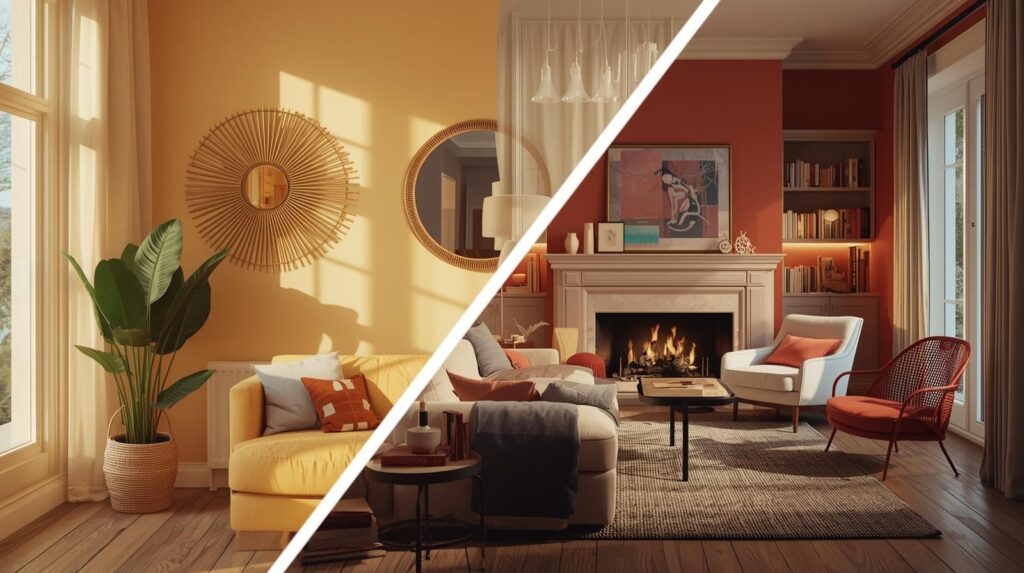
Decor that changes with the seasons keeps your home feeling fresh without a full makeover.
What’s Trending in 2025
- Oversized minimalist art
- Warm neutrals
- Organic shapes
- Textured wall panels
- Large statement mirrors
Summer vs. Winter Color Palettes
- Summer: Whites, light woods, coral, sage, sky blue
- Winter: Deep greens, charcoal, warm brown, muted gold
Swappable Decor Ideas
- Rotating art prints
- Seasonal wreaths
- Interchangeable canvas covers
- Lightweight tapestries
- LED wall lights
These small swaps make your home feel season-ready without rebuilding the entire room.
Wall Decor Shopping Guide (Beginner + Expert Advice)
What to Look For
Material Quality
Choose durable materials like solid wood frames, thick canvas, or metal that won’t rust.
Colors & Finishes
Make sure the finishing complements your furniture’s color story.
Frames & Glass
Frames should be sturdy; glass should be clear, not overly reflective.
Durability in Humid Areas
Bathrooms and kitchens need moisture-safe materials like acrylic frames, metal pieces, or PVC wall panels.
Where to Buy
Online Marketplaces
Ideal for prints, frames, and customizable art.
Local Stores
Great for seeing textures in person.
Artisan Creators
One-of-a-kind handcrafted pieces that bring personality to your home.
Conclusion: Inspire Action
At the end of the day, wall decor isn’t just decoration—it’s how you tell your story. The right pieces can boost your mood, create balance, and make your home feel more “you.”
Encourage yourself to experiment. Start with one wall, try a style you’ve always liked, mix textures, or swap old frames. You’ll be surprised how a few thoughtful choices can completely transform your space.
FAQs
1. How do I decorate a blank wall?
Start with a focal piece—like a large canvas, mirror, or gallery layout—then build around it with smaller accents.
2. What type of wall decor is trending?
Minimalist oversized art, neutral-toned canvases, textured panels, and large statement mirrors are leading 2025 trends.
3. How do I choose the right size of wall art?
Follow the 2/3 rule: art should be two-thirds the width of the sofa, bed, or console it’s above.
4. What is the best wall decor for small rooms?
Mirrors, vertical art, floating shelves, and simple minimalist prints.
5. How many pieces of art should I hang?
For one wall, stick to a single large piece or a grouped gallery of 3–7 pieces.
6. How do I mix and match wall decor styles?
Use one dominant style and let the others support it. Keep colors and materials consistent.
7. What’s the ideal height for hanging wall decor?
Center your artwork at 57–60 inches from the floor—eye-level for most people.
8. Can you mix metal and wooden decor?
Yes! Combining metal and wood adds depth and creates a balanced, curated look.