 By
By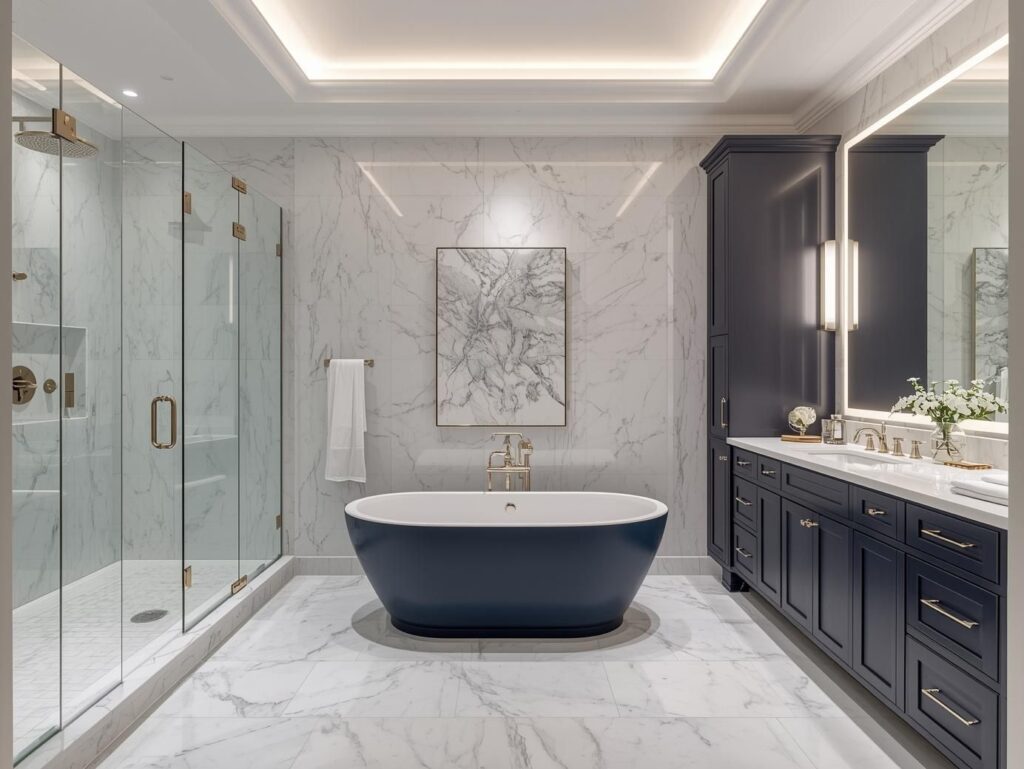
A master bathroom remodel before and after isn’t just about prettier tiles or a new vanity, it’s about how the space feels when you start and end your day. Many homeowners live with outdated bathrooms for years, adjusting their routines around poor lighting, cramped layouts, and limited storage. Then the remodel happens, and suddenly the room works with them, not against them. This breakdown walks you step by step through a real-world style master bathroom remodel before and after, explaining the exact upgrades that created the biggest impact functionally, visually, and emotionally.
What the Master Bathroom Looked Like Before the Remodel
Before the remodel, the bathroom felt stuck in another decade. Beige tiles covered every surface, the vanity was bulky and low, and the lighting cast harsh shadows across the mirror. The layout forced awkward movement, one person brushing their teeth blocked access to drawers, and the bathtub took up space without ever being used.
Like many older bathrooms, this one suffered from:
- Builder-grade fixtures nearing the end of their life
- Minimal storage that caused daily clutter
- Poor ventilation that trapped moisture
- A closed-off shower that made the room feel smaller
The biggest issue wasn’t just how it looked, it was how uncomfortable it felt to use every single day. This master bathroom remodel before and after started with a simple realization: cosmetic fixes wouldn’t solve deeper problems. Peeling paint, cracked grout, and outdated plumbing hinted at hidden issues behind the walls.
Beyond maintenance, there were quality-of-life frustrations:
- Morning routines felt rushed and cramped
- Cleaning took longer because surfaces weren’t practical
- The bathroom didn’t match the rest of the home’s style
From a resale perspective, the outdated bathroom was also holding back home value. In many markets, a modern master bathroom is a deciding factor for buyers.
The Planning Stage That Made the Biggest Difference
Planning shaped the success of this master bathroom remodel before and after more than any single material choice.
Instead of jumping into trends, the homeowners focused on:
- How they actually used the space daily
- What caused frustration before
- Which upgrades would deliver long-term comfort
A realistic budget was set early, leaving room for hidden plumbing updates. Inspiration images helped clarify the style direction but didn’t dictate decisions blindly. Every choice had to earn its place. This thoughtful planning prevented costly mid-project changes and ensured the final result felt intentional.
Layout Changes
The most dramatic change in this master bathroom remodel before and after came from layout adjustments.
The oversized tub was removed and replaced with a spacious walk-in shower. The toilet was repositioned for better privacy, and the vanity area was widened slightly to improve movement.
These changes:
- Opened up the room visually
- Improved traffic flow
- Made the bathroom feel larger without adding square footage
Layout upgrades often deliver the highest return because they affect how the space functions every day, not just how it looks.
Vanity and Storage Upgrades
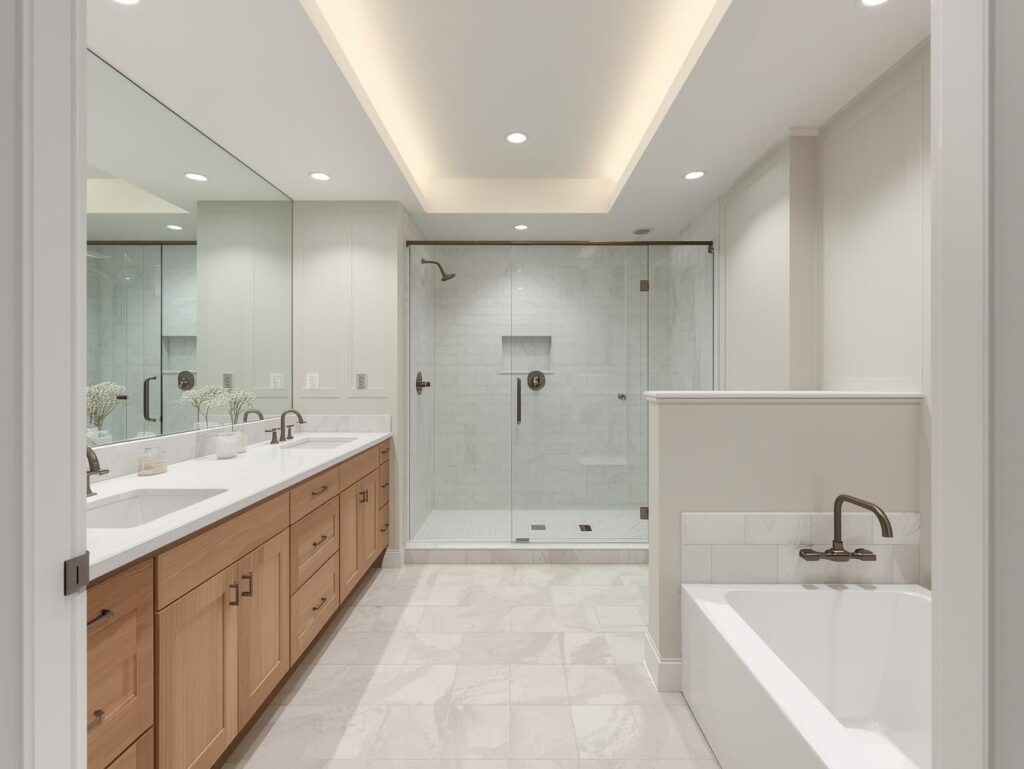
Before the remodel, storage was an afterthought. After the transformation, it became a design feature.
The old vanity was replaced with a double-sink model featuring deep drawers, built-in organizers, and soft-close hardware. Everyday items finally had designated places, reducing clutter instantly.
Key improvements included:
- Drawer-based storage instead of cabinets
- A taller vanity height for better ergonomics
- Durable countertop materials that resist stains
In this master bathroom remodel before and after, better storage translated directly into smoother mornings and easier cleaning.
Shower and Bathtub Upgrades
The shower became the centerpiece of the remodel. A frameless glass enclosure replaced heavy curtains and metal frames, allowing light to flow freely.
Upgrades included:
- A rainfall showerhead paired with a handheld sprayer
- Built-in niches for toiletries
- A bench for comfort and accessibility
This wasn’t about luxury for luxury’s sake, it was about creating a shower that felt inviting and effortless to use.
Lighting Changes
Lighting is often overlooked, yet it played a critical role in this master bathroom remodel before and after.
Instead of relying on a single overhead fixture, layered lighting was introduced:
- Soft ambient ceiling lights
- Bright task lighting around mirrors
- Subtle accent lighting in the shower
The difference was immediate. The bathroom felt warmer, cleaner, and more flattering especially during early mornings and late evenings.
Flooring and Wall Finishes
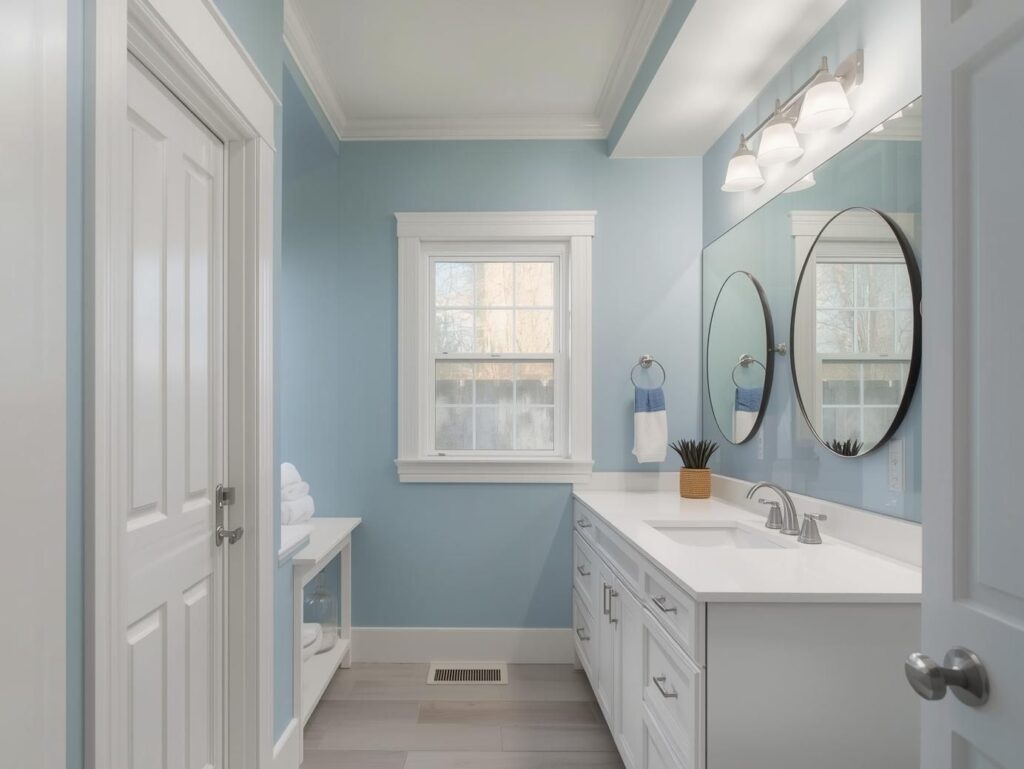
Outdated flooring made the bathroom feel tired. Large-format tiles replaced small, busy patterns, creating a seamless look with fewer grout lines.
Wall finishes were chosen with intention:
- Neutral tones to reflect light
- A feature wall in the shower for visual interest
- Slip-resistant flooring for safety
These upgrades gave the bathroom a calm, spa-like feel while remaining practical for daily use.
Fixtures and Hardware
Small details played a surprisingly big role in the final master bathroom remodel before and after reveal.
Coordinated fixtures, faucets, shower trims, towel bars created visual consistency without looking overdone. Matte finishes reduced fingerprints and water spots, making maintenance easier.
Quality hardware also ensured longevity, reducing the likelihood of replacements in the near future.
The Final Before and After Reveal
The contrast between before and after was striking. What once felt cramped and outdated now felt open, calming, and functional.
Homeowners immediately noticed:
- Easier movement
- Brighter, more balanced lighting
- Less clutter
- A sense of relaxation previously missing
This master bathroom remodel before and after didn’t just change the room—it changed daily routines.
What This Master Bathroom Remodel Changed Long Term
Beyond aesthetics, the remodel delivered lasting benefits:
- Increased home value
- Lower maintenance needs
- Improved comfort and usability
- Greater emotional satisfaction
The bathroom finally felt like a personal retreat rather than a neglected space.
Key Takeaways for Your Own Master Bathroom Remodel
If there’s one lesson from this master bathroom remodel before and after, it’s this: prioritize function first, then layer in design.
Focus on:
- Layout improvements
- Smart storage
- Quality lighting
- Durable materials
Trends fade, but thoughtful upgrades continue paying off for years.
FAQ
How long does a master bathroom remodel usually take?
Most master bathroom remodels take 3 to 6 weeks, depending on layout changes, material availability, and plumbing or electrical upgrades.
What upgrades make the biggest difference in a master bathroom remodel before and after?
Layout changes, walk-in showers, improved lighting, and better storage create the most noticeable before-and-after impact.
Is a layout change really worth it in a bathroom remodel?
Yes. Even small layout adjustments can dramatically improve flow, comfort, and how the space functions daily.
How much does a master bathroom remodel cost?
A typical master bathroom remodel cost ranges from $15,000 to $40,000, while high-end remodels can exceed $50,000, depending on size, materials, and labor.
Does a master bathroom remodel add home value?
Yes. A well-executed master bathroom remodel can recover 60–70% of its cost in resale value and often helps homes sell faster.
What should be upgraded first in an outdated master bathroom?
Start with plumbing, layout, and lighting before focusing on finishes like tile, fixtures, and décor.
Can a small master bathroom still have a dramatic before and after?
Absolutely. Smart storage, glass showers, lighter colors, and proper lighting can make even small bathrooms feel significantly larger.
Are luxury features necessary for a successful remodel?
No. Thoughtful design, quality materials, and functional upgrades matter more than expensive luxury features.