 By
ByHave you ever walked into a room and felt like something was missing — but you couldn’t explain what? The furniture is fine. The lighting works. Everything is clean. Yet the space feels flat, almost forgettable.
That’s usually the moment when accent wall ideas start to make sense.
An accent wall doesn’t just decorate a room — it gives it a heartbeat. It tells your eyes where to land and gives the space a sense of intention. The good news? You don’t need a big budget or a design degree to get it right. You just need to choose the right wall.
This guide breaks it all down in a clear, practical way—so you can create an accent wall that looks thoughtful, balanced, and timeless.
What Is an Accent Wall? (Simple Explanation)
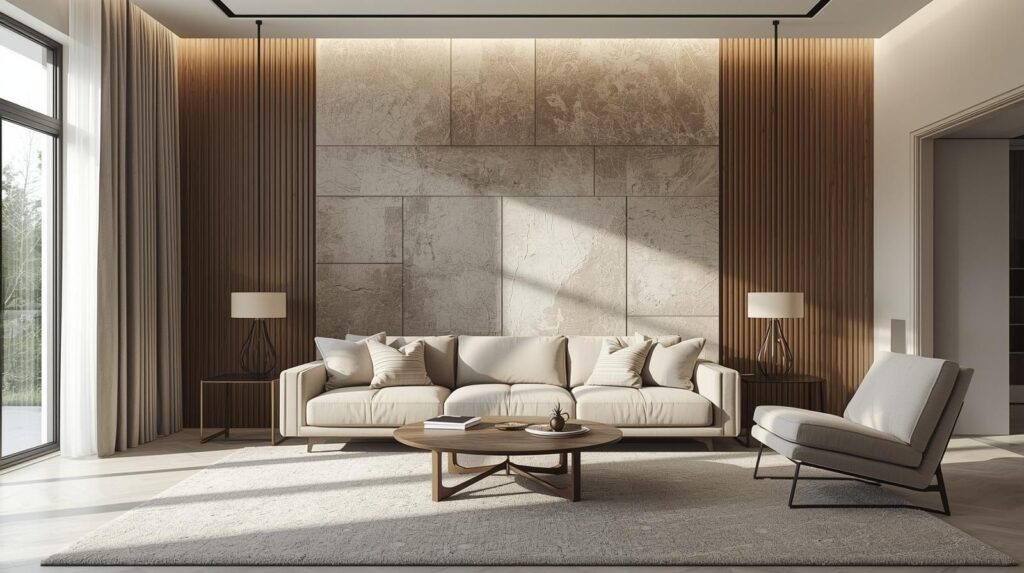
An accent wall is one wall in a room that stands out from the others. It might be a different color, texture, material, or pattern—but it’s always intentional.
The goal isn’t to make the wall scream for attention. The goal is to:
- Create a focal point
- Add depth and personality
- Guide how the room feels and flows
Many people think accent walls must be bold or dark. That’s a myth. Some of the best accent wall ideas are subtle—soft colors, light wood textures, or gentle patterns that quietly elevate the space.
How to Choose the Perfect Wall for an Accent Wall
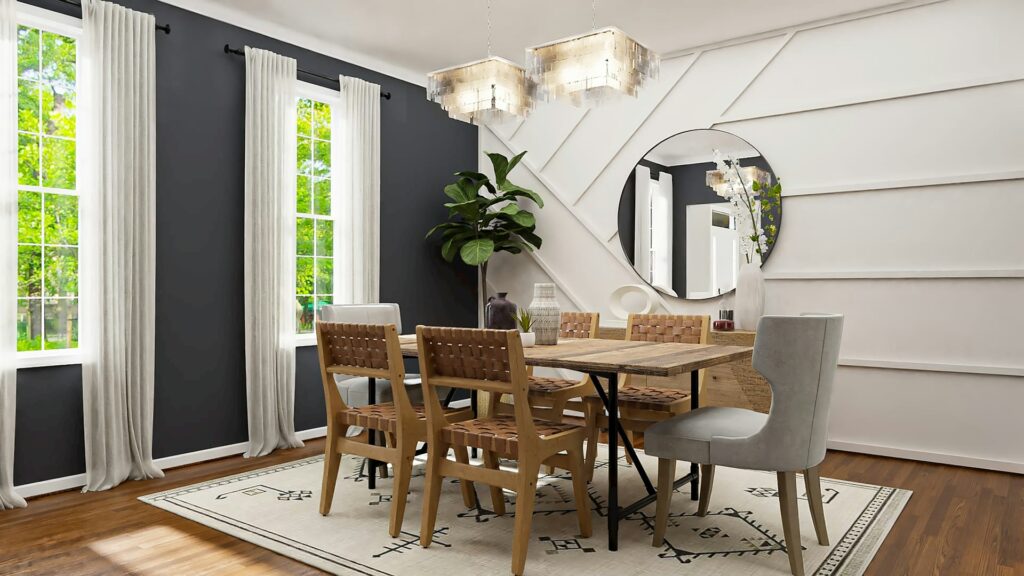
This step matters more than color or material. Even the most beautiful design can fail if it’s on the wrong wall.
Start With the Natural Focal Point
Every room already has a wall your eyes are drawn to first. That’s usually the best candidate.
Common focal walls include:
- The wall behind a sofa
- The wall behind a bed’s headboard
- A fireplace wall
- The TV wall in a living room
If your furniture naturally faces a wall, that wall is already doing half the job.
Walls You Should Avoid
Not every wall wants attention.
Avoid:
- Walls with too many doors or windows
- Walls broken up by closets or shelves
- Narrow walls that feel cramped
An accent wall should feel confident, not crowded.
Match the Wall to the Room’s Shape
Accent wall ideas work differently depending on space:
- In small rooms, accent walls can add depth if kept light or vertical
- In long rooms, accent walls can visually shorten the space
- In rooms with high ceilings, vertical designs draw the eye upward
The right wall can correct visual problems without moving a single piece of furniture.
Accent Wall Ideas by Room Type
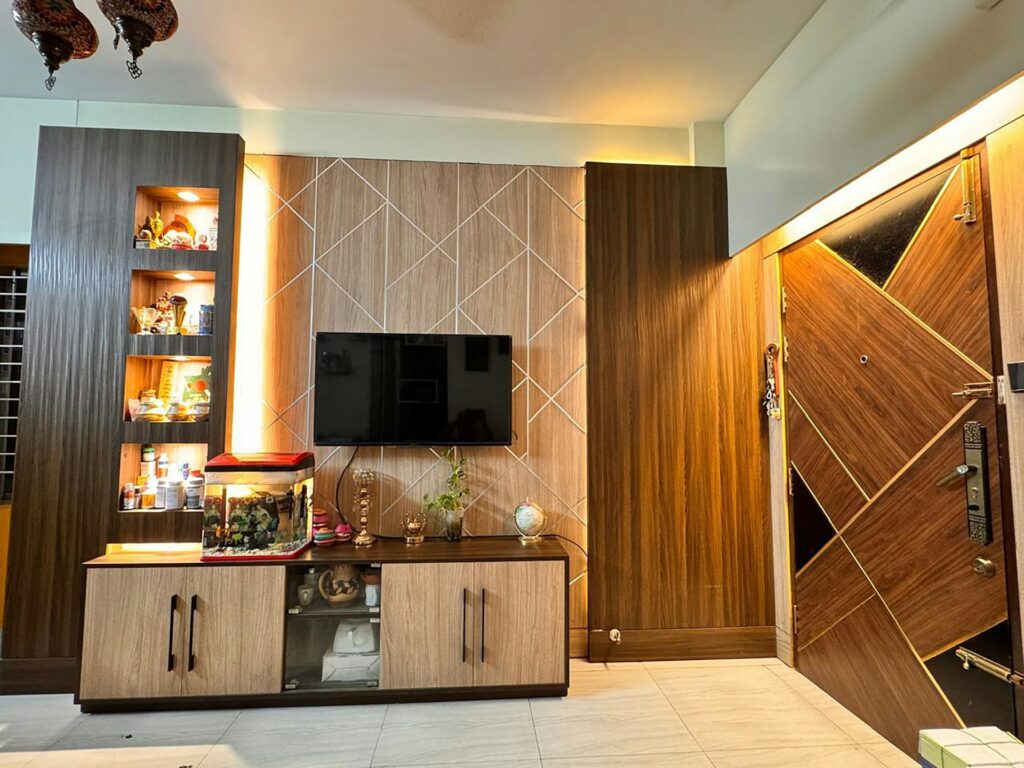
Living Room Accent Wall Ideas
Living rooms benefit most from strong focal points.
Popular choices:
- TV accent walls with wood slats or panels
- Fireplace accent walls using stone or tile
- Painted accent walls that ground the seating area
The key is balance—your accent wall should support the room, not dominate it.
Bedroom Accent Wall Ideas
Bedrooms are about calm and comfort.
Best options:
- The wall behind the bed
- Soft colors or warm neutrals
- Upholstered panels, wallpaper, or wood textures
The accent wall should help you relax, not overstimulate you.
Kitchen Accent Wall Ideas
Accent walls in kitchens work best in specific areas:
- Breakfast nooks
- Empty side walls
- Open shelving backdrops
Paint, tile, or brick textures work better than heavy patterns in busy kitchens.
Bathroom Accent Wall Ideas
Bathrooms often use accent walls behind:
- Vanities
- Bathtubs
- Walk-in showers
Tile, stone, and moisture-safe panels are ideal. Even small bathrooms can handle an accent wall if the design stays simple.
Accent Wall Ideas for Small Rooms & Apartments
Small spaces need restraint.
Smart ideas include:
- Light-colored accent walls
- Vertical stripes or slats
- Peel-and-stick wallpaper for renters
One well-chosen accent wall can make a small room feel intentional instead of cramped.
Choosing the Right Accent Wall Color
Color sets the emotional tone of a room.
How Color Affects Mood
- Warm tones feel cozy and inviting
- Cool tones feel calm and spacious
- Dark colors feel dramatic but should be used carefully
Lighting plays a huge role. Always test samples at different times of day.
Matching the Accent Wall With Decor
A good rule: pull your accent wall color from something already in the room—like a rug, artwork, or pillows. This creates harmony instead of contrasting chaos.
Timeless Accent Wall Color Choices
- Soft neutrals
- Earthy greens and browns
- Muted blues and warm grays
Trends come and go, but balanced colors age better.
Accent Wall Materials & Design Styles
Painted Accent Wall Ideas
Paint is the easiest entry point.
- Solid colors
- Two-tone designs
- Simple geometric shapes
It’s affordable, flexible, and easy to update.
Wallpaper Accent Wall Ideas
Wallpaper adds instant character.
- Textured wallpaper for depth
- Subtle patterns for elegance
- Removable wallpaper for renters
One wall is often enough to make a statement.
Wood Accent Wall Ideas
Wood adds warmth and structure.
- Vertical slat walls
- Reclaimed wood looks
- Board and batten designs
These styles work well in modern and classic homes alike.
Stone, Tile & Textured Panels
Best for high-impact spaces like:
- Fireplaces
- Entryways
- Bathrooms
Use heavier materials sparingly to avoid overwhelming the room.
Accent Wall Ideas on a Budget
Great accent wall ideas don’t have to be expensive.
- Paint techniques like color blocking
- Peel-and-stick panels
- Gallery walls using framed art or photos
- Strategic lighting to highlight the wall
Creativity matters more than cost.
Accent Wall Mistakes to Avoid
Common errors include:
- Using too many accent walls
- Choosing overly dark colors in tight spaces
- Ignoring lighting
- Picking trends without considering long-term style
When in doubt, simpler usually looks better.
How Lighting Changes the Look of an Accent Wall
Lighting can make or break an accent wall.
- Natural light softens colors
- Directional lights add drama
- LED strips highlight textures
Always think about how the wall looks during the day and at night.
Frequently Asked Questions About Accent Wall Ideas
Which wall should be an accent wall?
The wall that naturally draws attention or anchors the room.
Are accent walls outdated?
No—when done thoughtfully, they remain timeless.
Can you use wallpaper as an accent wall?
Yes, it’s one of the most popular options.
Should an accent wall be darker?
Not always. Contrast can come from texture or pattern too.
Final Thoughts: Making Accent Walls Work for Your Home
Accent walls aren’t about being bold — they’re about being intentional. The best accent wall ideas respect the room, the light, and how people actually live in the space.
Start with the right wall. Choose materials and colors that feel natural. Keep balance in mind. When you do that, your accent wall won’t just stand out — it will belong.