 By
By
A child’s room is more than just a place to sleep. It’s where imagination starts, homework happens, and little minds slowly grow. When done thoughtfully, kids room decor can quietly shape how children learn, focus, and feel every single day.
I’ve seen this firsthand—small changes like softer colors or better lighting can turn daily struggles into smoother routines. Below are 7 practical, research-backed kids room decor ideas that create a positive learning environment without making the room feel boring or overdesigned.
1. Choose Calm, Learning-Friendly Colors
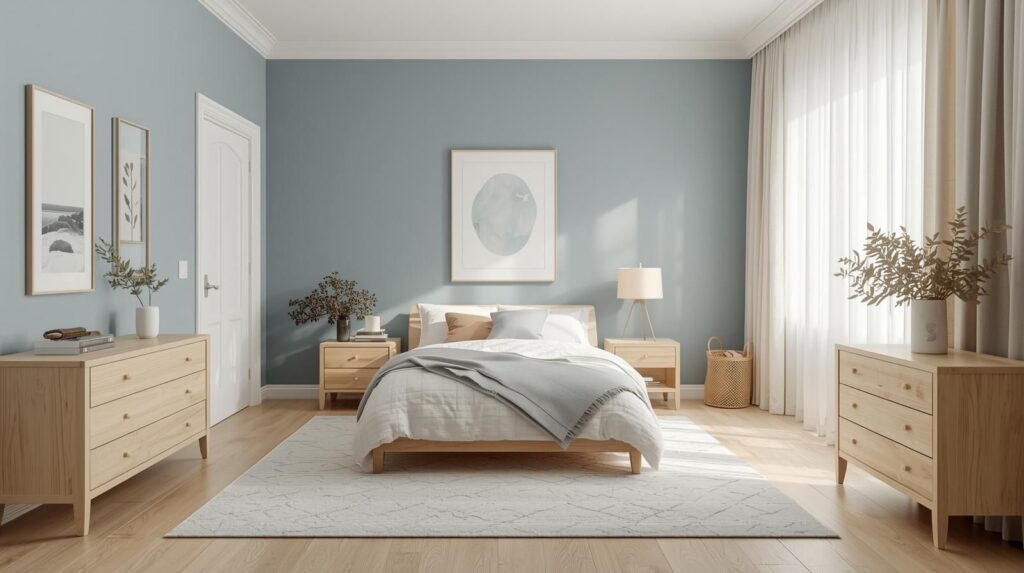
Color affects mood more than most people realize. Bright reds and neon shades can overstimulate young brains, while soft tones help children feel safe and focused.
Best color choices for kids room decor:
- Soft blues for calm and concentration
- Warm neutrals for emotional balance
- Light greens for creativity and comfort
You don’t need to repaint everything. A calm accent wall, bedding, or curtains can shift the room’s energy in the right direction.
2. Create a Dedicated Learning Zone
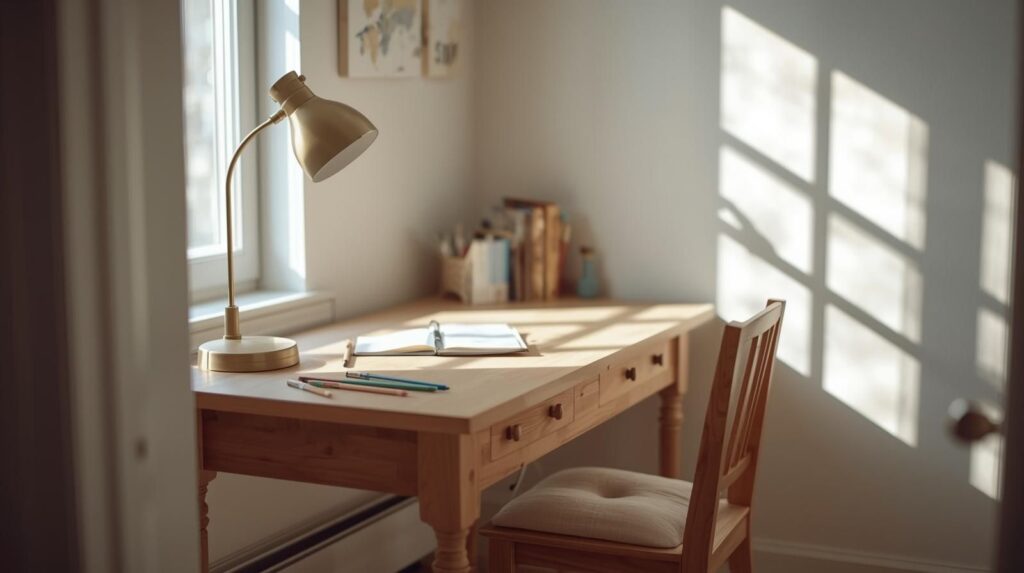
Kids focus better when their brain knows, “This is where learning happens.” A small, defined study area makes a big difference.
What works well:
- A simple desk near natural light
- A comfortable, child-sized chair
- Minimal wall distractions around the desk
This kind of kids room decor teaches structure without pressure. Over time, children naturally associate this space with reading, drawing, and problem-solving.
3. Reduce Visual Clutter (Less Is Truly More)
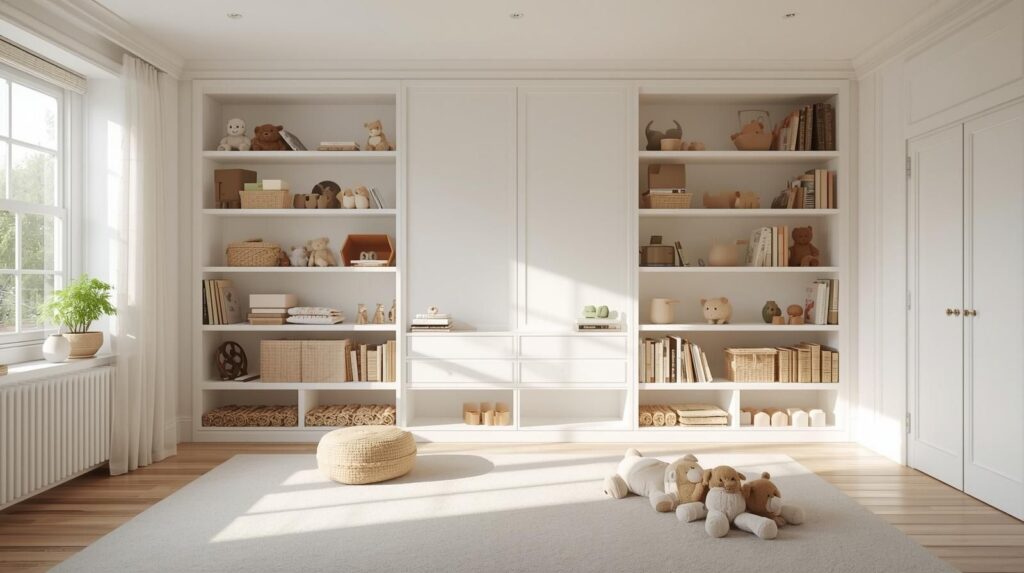
Too many toys, posters, and colors competing for attention can overwhelm a child’s mind. A cluttered room often leads to a cluttered focus.
Smart decluttering tips:
- Use closed storage bins or drawers
- Rotate toys instead of displaying all of them
- Leave some wall space empty to “let the room breathe”
Clean, intentional kids room decor helps children feel calm—and calm minds learn better.
4. Use Comfortable, Eye-Friendly Lighting
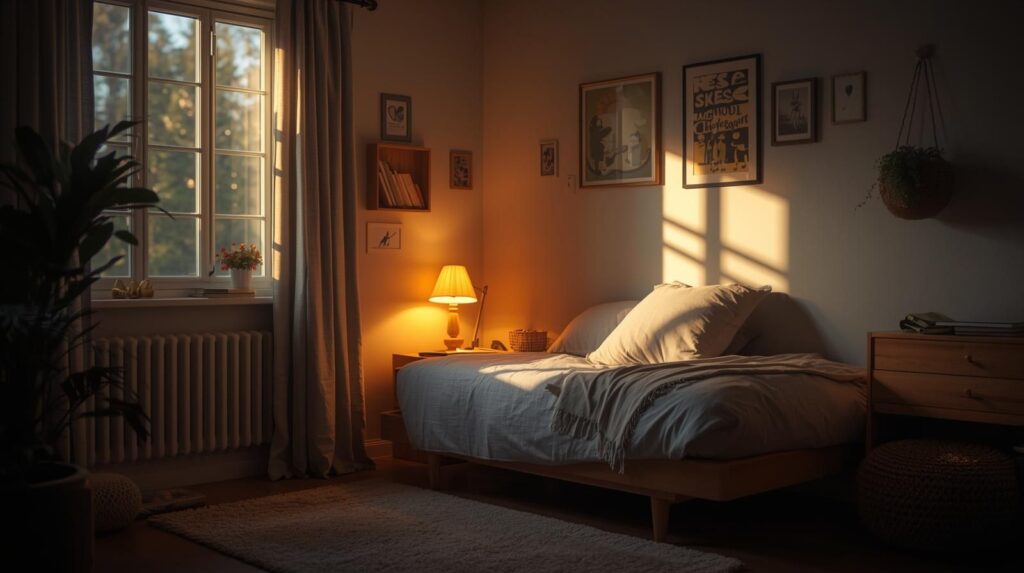
Lighting plays a huge role in learning and mood. Harsh overhead lights can cause eye strain, while dim rooms make kids sleepy.
Ideal lighting setup:
- Natural daylight during the day
- Warm desk lamps for homework
- Soft night lighting for evening calm
Layered lighting is one of the most overlooked kids room decor elements, yet it directly supports reading, writing, and emotional comfort.
5. Add Learning Decor That Inspires (Not Distracts)
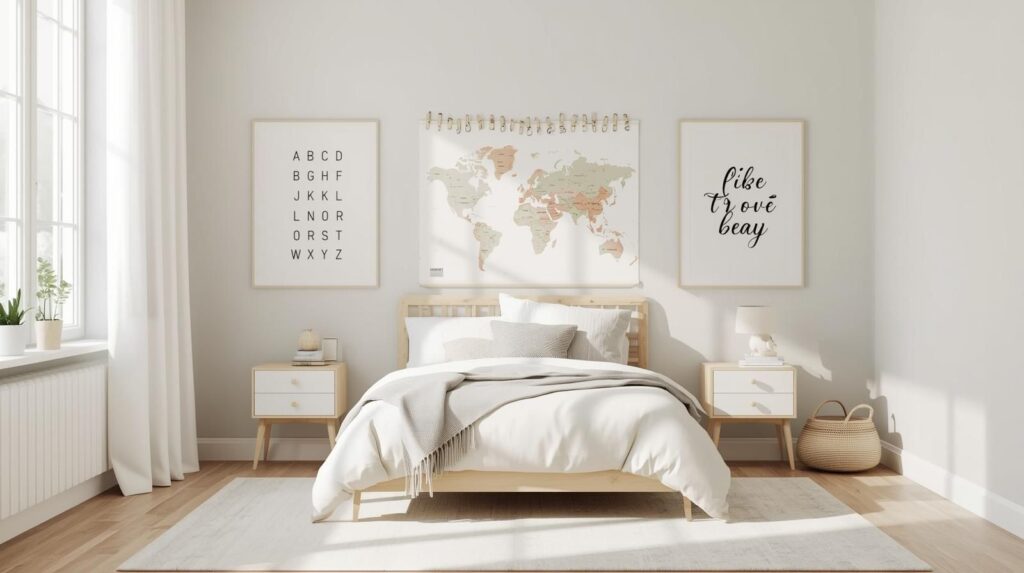
Decor can teach quietly. The key is choosing pieces that inspire curiosity without overwhelming the senses.
Great examples:
- Alphabet or number wall art
- World maps or animal charts
- Framed positive affirmations
When used thoughtfully, educational kids room decor becomes part of daily learning—without feeling like school.
6. Include Cozy Comfort Zones
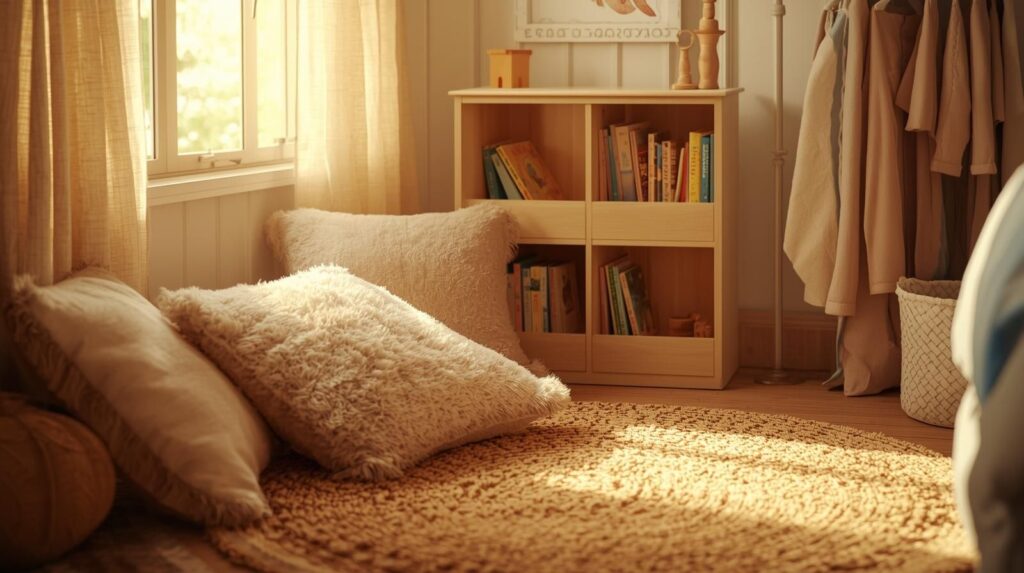
Learning doesn’t only happen at a desk. Kids process information while resting, reading, or daydreaming.
Comfort elements to include:
- A reading nook with cushions
- Soft rugs for floor play
- A quiet corner for calming down
These cozy touches support emotional regulation, which is closely tied to better focus and learning outcomes.
7. Let Your Child Be Part of the Decor Choices
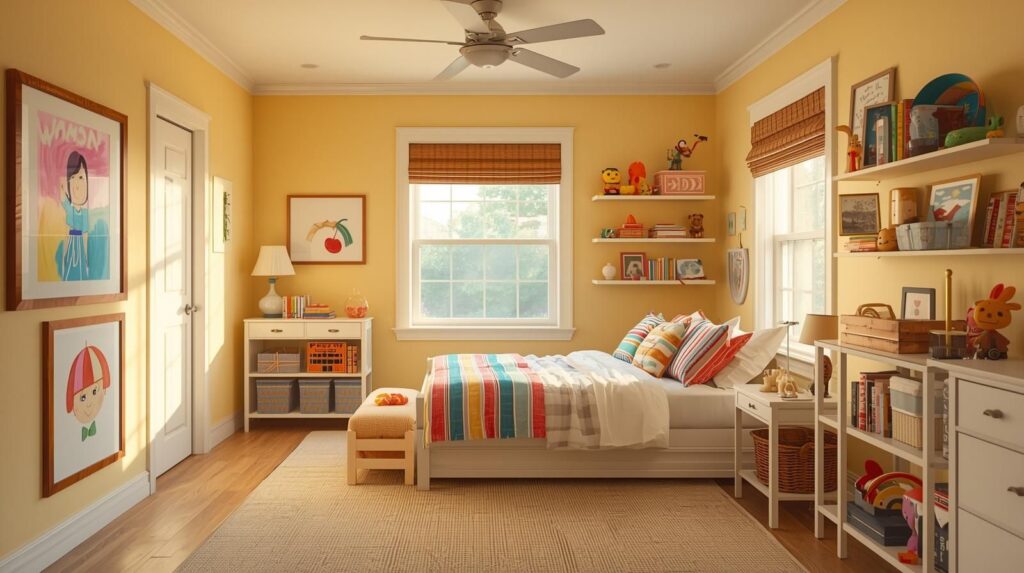
Children learn confidence and ownership when they’re involved in decisions about their space.
Simple ways to include them:
- Let them choose artwork or bedding
- Allow a small display shelf for their creations
- Ask what makes them feel happy or calm
This personal connection turns kids room decor into a space they respect, enjoy, and use more intentionally.
Final Thoughts: Decor That Grows With Your Child
The best kids room decor doesn’t chase trends—it supports growth. A positive learning environment is calm, organized, comfortable, and flexible enough to change as your child grows.
You don’t need a big budget or a complete makeover. Even small, thoughtful updates can help your child feel more focused, confident, and ready to learn—right at home.