 By
By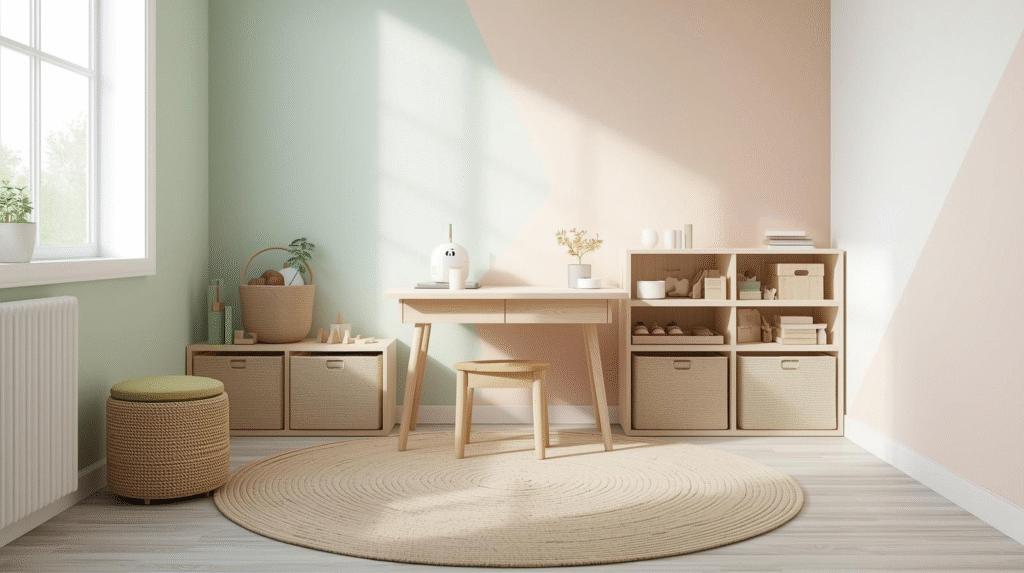
One element that is frequently disregarded as more parents investigate online and in-person speech therapy options is the home environment.
The layout, style, and atmosphere of your house can have a big impact on how effectively your child learns, communicates, and maintains focus, whether they attend treatment in person or virtually.
Families are reconsidering how they use their living spaces—not just for work or school, but also for their children’s developmental needs—as virtual treatment becomes more popular.
Your home can be made more conducive to learning and development with strategic organization, modest home renovations, and simple décor selections.
Regardless of the therapy format you select, here’s how to create a home atmosphere that supports your child’s success.
- Why Your Home Environment Matters for Speech & Learning
- 1. Creating a Dedicated Learning or Therapy Corner at Home
- 2. Designing Your Home for Virtual Speech Therapy Success
- 3. Home Improvements That Boost Speech, Focus, and Calmness
- 4. When In-Person Therapy Works Better—and How Home Layout Still Helps
- 5. The Hybrid Approach: Designing a Flexible, Multi-Purpose Home Space
- Final Thoughts
Why Your Home Environment Matters for Speech & Learning
When kids feel secure, at ease, and involved, they learn best.
A well-designed space facilitates collaboration, lessens anxiety, and cuts down on distractions.
This is especially true for:
- children with speech delays
- toddlers building early language skills
- kids with sensory sensitivities
- children who learn better through structured routines
Virtual treatment emphasizes the home environment far more than in-person therapy, which offers a regulated clinical atmosphere.
However, the majority of a child’s learning occurs at home — during playtime, mealtimes, or daily routines — even with in-person sessions, so your surroundings are crucial in supporting therapy objectives.
1. Creating a Dedicated Learning or Therapy Corner at Home
Children can enter “learning mode” and maintain concentrate in a specific area.
Even a small corner can have a significant impact; a large room is not necessary.
Try Creating a Space With:
- Calming paint colors like soft blue, pastel green, beige, or warm white
- Minimal clutter to reduce visual overstimulation
- Comfortable child-sized seating
- A small desk or table for activities
- Simple wall décor such as educational posters or a neutral backdrop
- Soft rugs or curtains to absorb sound and reduce echo
This area is useful for more than just therapy; it can be used for reading, homework, sensory exercises, or online therapy sessions.
2. Designing Your Home for Virtual Speech Therapy Success
Your home environment can have a direct effect on your child’s participation in online sessions.
Any room can become a therapeutic space with a few well-chosen home décor upgrades.
What Helps Most in Virtual Sessions:
- Good lighting: Natural light or a small desk lamp to brighten the child’s face.
- A clutter-free background: Keeps the therapist and child focused.
- Stable internet access: Consider setting up the space near your router.
- Noise control: Add throw pillows, rugs, and curtains to reduce background noise.
- Organized therapy materials: Use labeled bins or shelves for flashcards, toys, or props.
Virtual therapy frequently results in greater participation because children feel more at ease in familiar settings, particularly when the surrounding area is carefully planned.
3. Home Improvements That Boost Speech, Focus, and Calmness
Some kids require a little more assistance with their senses.
Easy home improvements can foster a more tranquil atmosphere that facilitates communication and lessens stress.
Easy, Affordable Improvements:
- Soft, warm lighting instead of harsh overhead bulbs
- Neutral color palettes for play or learning areas
- Sound-reducing panels (or DIY fabric alternatives)
- Organized storage to prevent mess-related distractions
- Cozy reading corner to encourage quiet storytelling time
- Open floor space for movement-based activities
These adjustments not only support therapy but also create a more tranquil and kid-friendly atmosphere in your house.
4. When In-Person Therapy Works Better—and How Home Layout Still Helps
Some children benefit more from in-person therapy, especially if they need:
- hands-on articulation cues
- structured routines
- tactile and sensory activities
- fewer screen distractions
Even then, your home still plays an important role.
Home Tips for Kids in In-Person Therapy:
- Create a small “practice spot” where you work on skills learned in the clinic.
- Display visual reminders or charts for daily word practice.
- Add a small whiteboard or corkboard for tracking weekly goals.
- Keep therapy tools easily accessible so practice feels natural and consistent.
What the therapist teaches and what your child does on a daily basis are connected by your home.
5. The Hybrid Approach: Designing a Flexible, Multi-Purpose Home Space
Many families now combine virtual and in-person therapy.
This makes multi-use spaces essential.
Try a Flexible Setup:
- A foldable desk or table you can tuck away
- Storage bins for therapy tools and toys
- A portable laptop stand for virtual sessions
- A neutral wall or backdrop that works for school, therapy, or video calls
These small solutions keep your home tidy while supporting your child’s development.
Final Thoughts
Whether your child attends virtual or in-person speech therapy, one truth remains the same: a supportive home environment can amplify their progress.
You don’t need major renovations to make a difference—simple décor choices, calm colors, good lighting, and well-organized spaces can help your child feel more comfortable, focused, and confident.
As therapy becomes more flexible and home-centered, designing your living space with your child’s learning in mind isn’t just a décor trend — it’s a meaningful investment in their growth.