 By
By
Have you ever walked into a grey and beige living room and felt… nothing?
No warmth. No depth. Just a safe, flat space that looks fine in photos but feels empty in real life. That’s exactly why grey and beige living room decor ideas built on texture, not color matter so much today. When you remove bold colors, texture becomes the storyteller. It’s what makes a neutral living room feel calm instead of cold, layered instead of lazy, and lived-in instead of staged.
I’ve seen firsthand homes where adding one textured rug or changing a sofa fabric completely changed how the room felt, without touching the color palette. Let’s walk through this step by step, focusing on what actually works in real homes, not showroom setups.
Start With Soft Walls
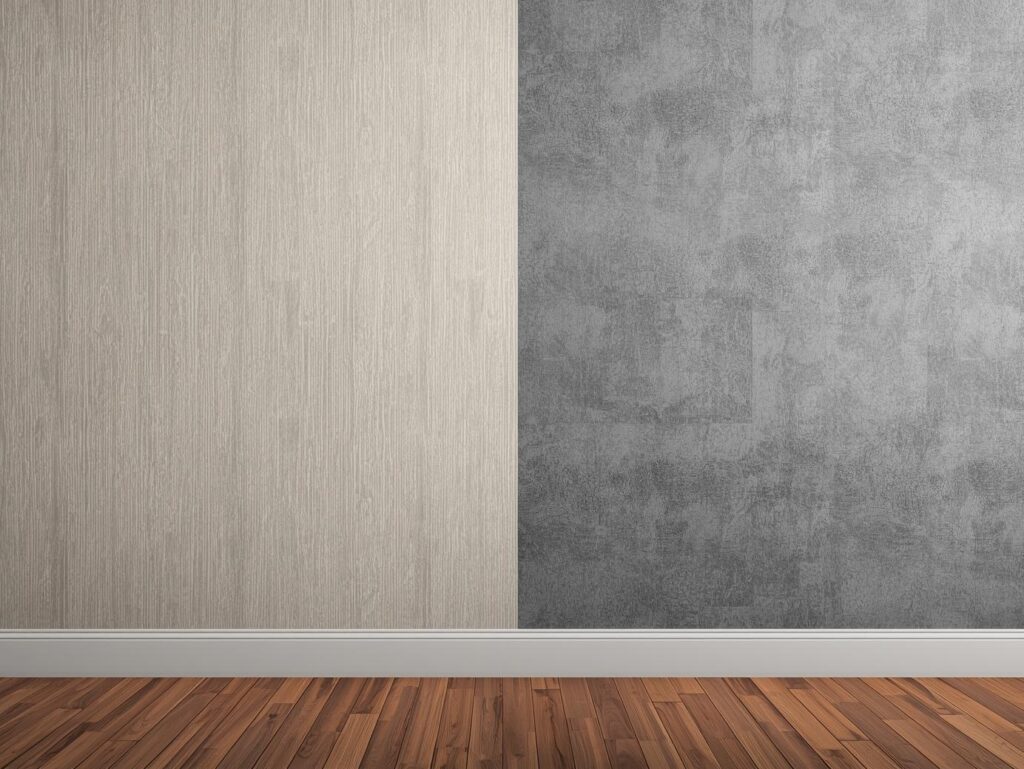
Walls do more emotional work in a neutral room than most people realize. Flat, builder-grade grey or beige paint absorbs light and flattens the entire space.
Instead, opt for soft wall finishes. Eggshell or matte paints with depth, subtle plaster effects, or even lime-wash-style finishes add movement to walls without adding color. These finishes scatter light slightly, which makes grey feel warmer and beige feel richer.
In homes with limited sunlight, this one change can prevent the room from feeling dull. Designers often rely on wall texture first before adding decor, because walls take up the largest visual surface.
Avoid: sharp cool greys with no undertone. They clash with beige furnishings and kill warmth instantly.
Choose a Textured Sofa
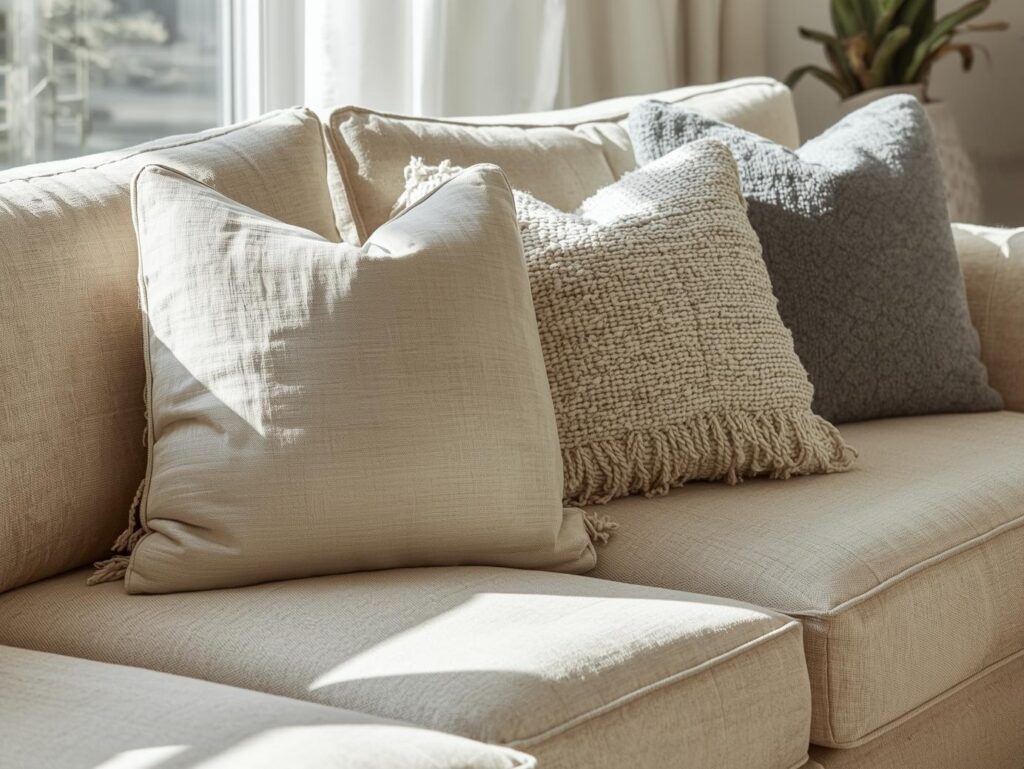
The sofa isn’t just seating, it’s the largest fabric surface in your living room. In a grey and beige palette, texture here is non-negotiable.
Instead of smooth microfiber or shiny leather, look for bouclé, linen blends, soft tweed, or woven cotton upholstery. These fabrics hold shadows and highlights, which creates depth even in a single color.
A beige linen sofa instantly feels relaxed and inviting. A grey bouclé sofa adds visual interest without stealing attention. This is especially effective if your walls are plain.
Think of it like this: color sets the mood, but fabric sets the comfort level.
Layer Rugs the Right Way
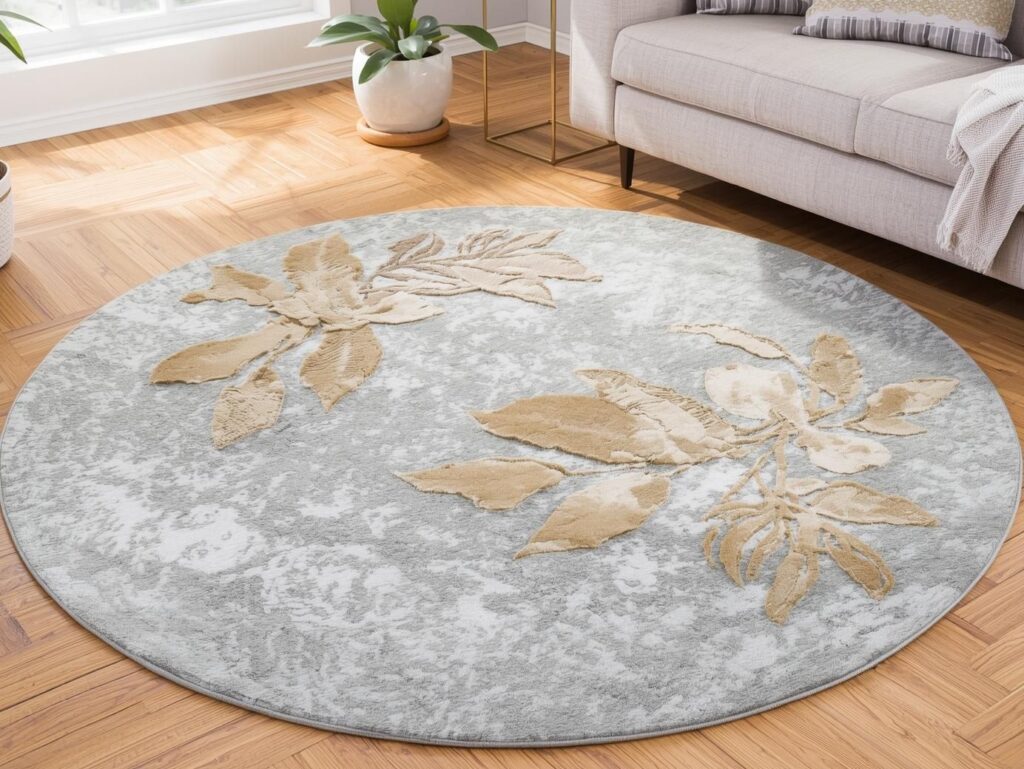
If your living room has one thin rug and bare floors everywhere else, it will always feel unfinished.
Layering rugs is a proven design technique, especially in neutral spaces. Start with a large flatweave or wool rug in beige or soft grey. On top, add a smaller textured rug—jute, looped wool, or ribbed cotton.
This creates:
- visual depth
- warmth underfoot
- natural zoning in open spaces
It’s the same principle designers use in Living Room Color & Palette planning repetition without repetition.
Add Curtains With Weight
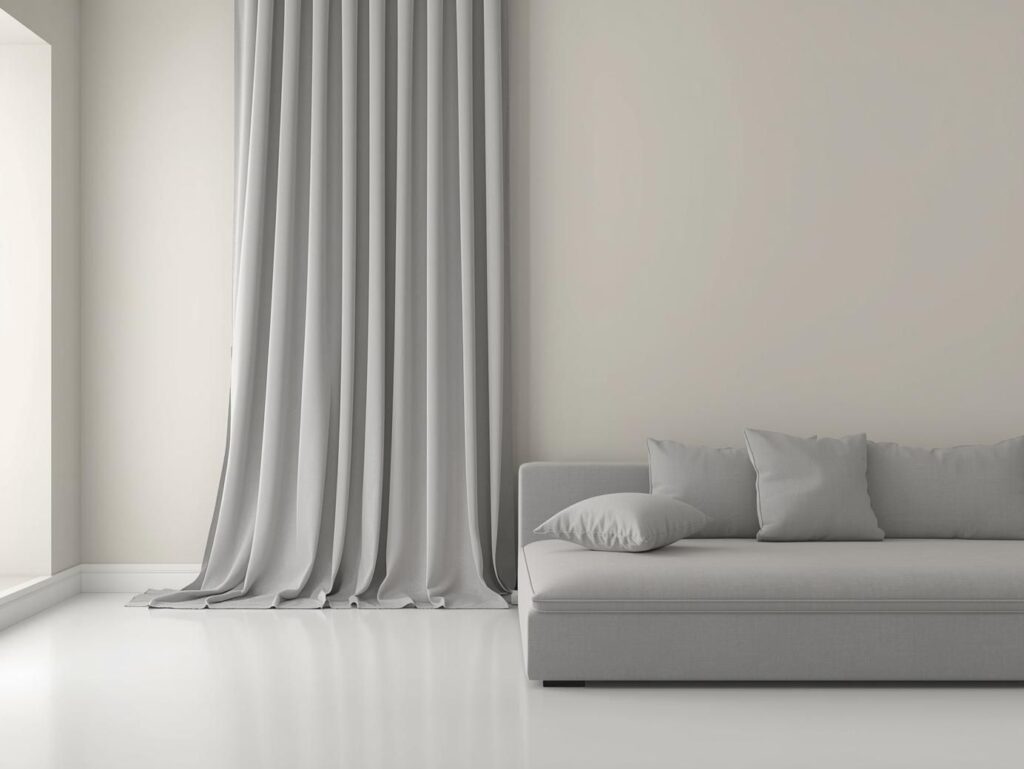
Light, stiff curtains can make a grey and beige living room feel temporary. Curtains need presence.
Choose linen, cotton-linen blends, or soft wool sheers. These fabrics move naturally and create vertical texture from floor to ceiling. Full-length curtains, especially ceiling-mounted, visually stretch the room and soften hard edges.
In darker rooms, beige curtains reflect warmth. In brighter rooms, soft grey curtains balance sunlight without cooling the space too much.
This single change often does more than adding new decor.
Use Wood for Warmth
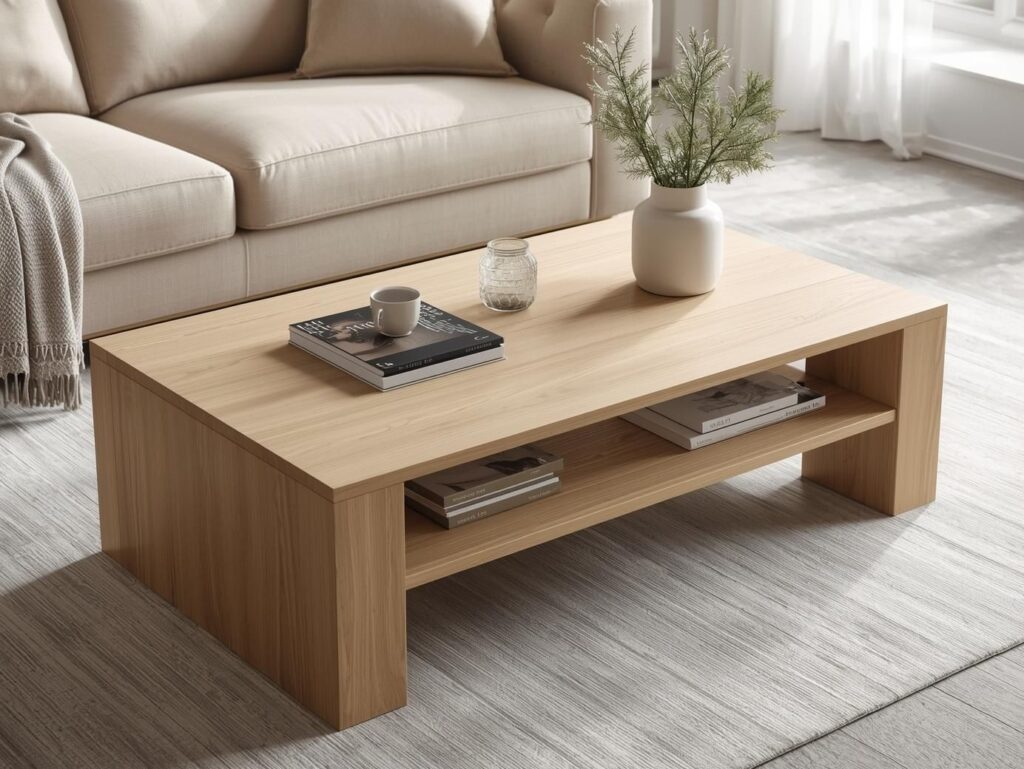
Grey and beige alone can lean sterile. Wood brings life back.
Light oak, ash, or soft walnut tones work best. Use wood intentionally:
- coffee tables
- open shelves
- side tables
- picture frames
Wood grain adds organic texture, which counters the smoothness of walls and upholstery. This is why even in a navy living room, designers still rely on wood to balance intensity.
Stick to one or two wood finishes max. Too many tones break the calm.
Mix Metals Gently
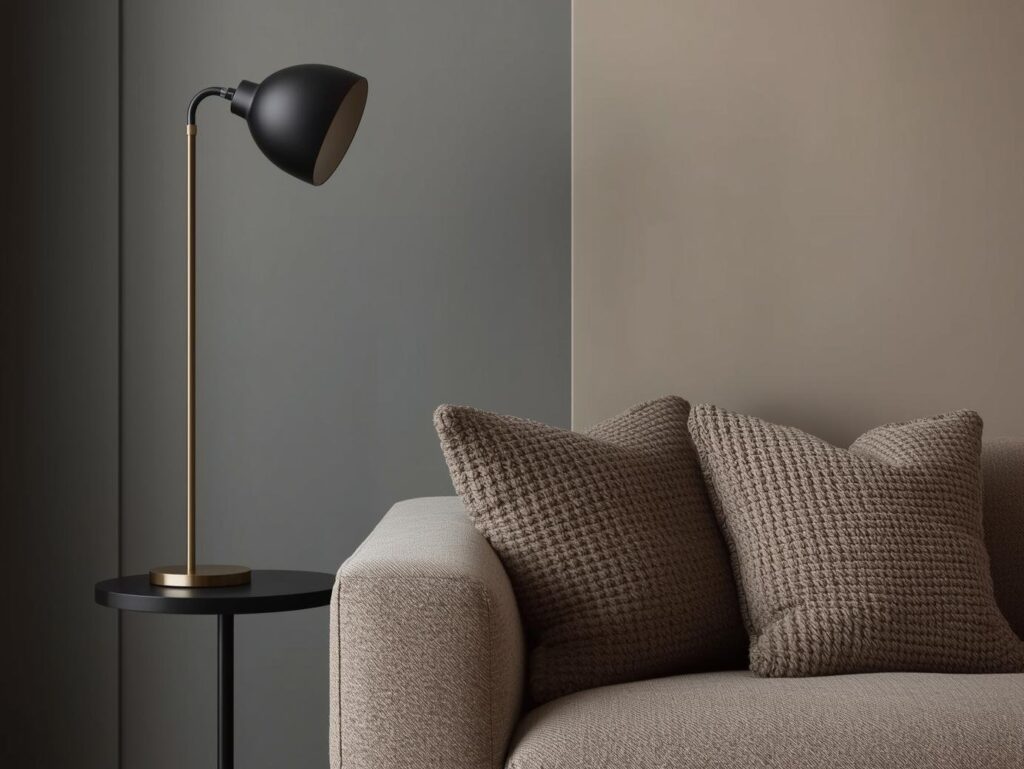
Metal in a neutral room should whisper, not shout.
Brushed brass, aged bronze, or matte black work beautifully against grey and beige. Use them sparingly:
- lamp bases
- table legs
- tray accents
Avoid high-gloss chrome; it reflects too much light and breaks the softness of the room. Matte metals absorb light slightly, keeping the palette cohesive.
Style With Soft Throws and Cushions
This is where personality shows up.
Use different textures in the same color family:
- chunky knits
- ribbed cotton
- soft wool
- subtle embroidery
Layer cushions by size, not color. Larger ones anchor the sofa; smaller ones add detail. Throws should look casually placed, not folded perfectly.
This approach works just as well in a pastel living room, where texture keeps soft colors from looking childish.
Choose Natural Decor Pieces
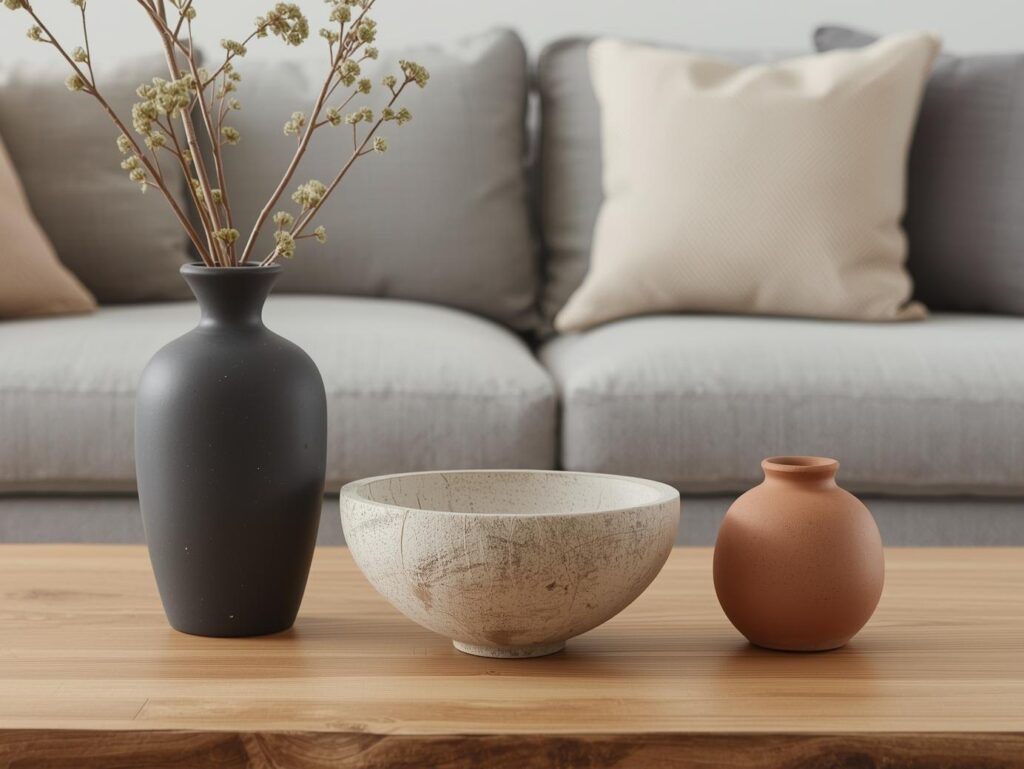
In texture-based decor, materials matter more than shape.
Ceramic vases, stone bowls, clay pots, and raw wood objects add contrast between smooth and rough surfaces. Pair matte ceramics with soft fabrics nearby for balance.
Skip glossy decor; it reflects light harshly and feels out of place in a calm neutral room.
Think tactile first, aesthetic second.
Add Plants for Organic Texture
Plants aren’t about color here they’re about shape.
Large-leaf plants soften straight lines. Tall plants add vertical movement. Even dried branches work if greenery isn’t an option.
Use planters made of stone, clay, or woven materials to stay consistent with the texture theme. This organic element prevents the room from feeling overly styled.
Use Lighting to Show Texture
Texture only works when you can see it.
Relying solely on overhead lighting flattens everything. Add:
- floor lamps near sofas
- table lamps on side tables
- warm LED bulbs (2700–3000K)
Directional light creates shadows, and shadows highlight texture. This is why the same room can feel cozy at night and plain during the day.
Lighting is often the missing link in neutral spaces.
Keep the Color Count Low
Here’s a fact designers rarely say out loud: too many neutral shades can look messy.
Stick to 2–3 core shades one grey, one beige, and maybe a soft accent neutral. Repeat textures instead of introducing new colors.
This rule applies across styles, whether you’re designing a Blue living room or a muted neutral space. Control brings calm.
Finish With Simple Art
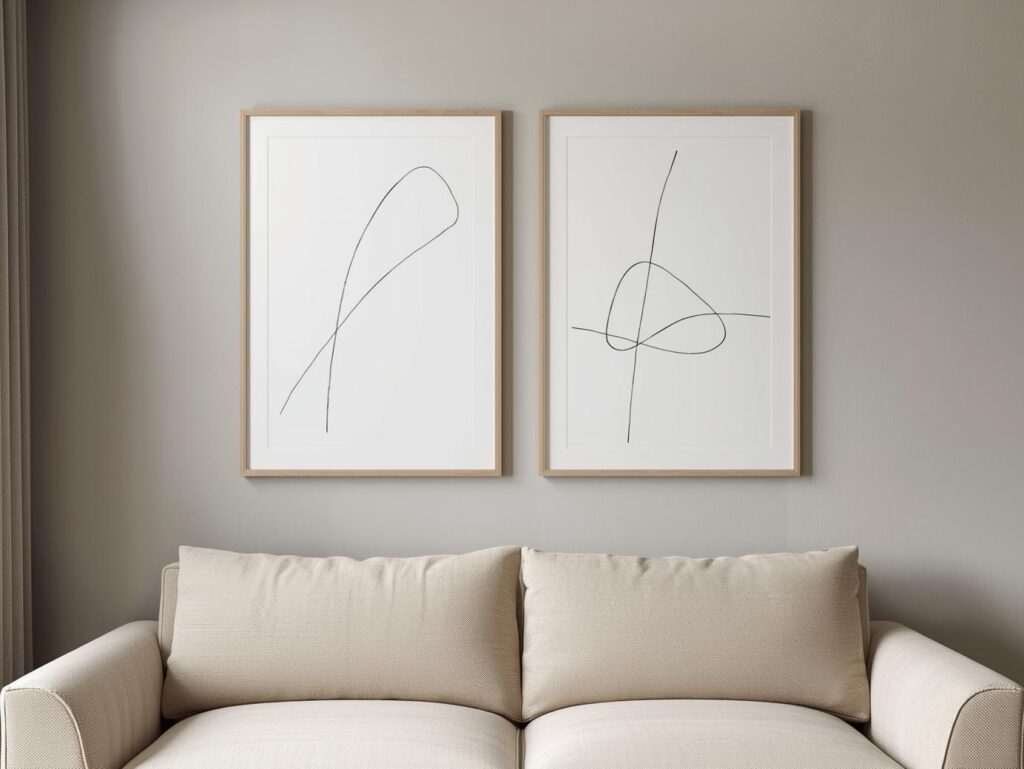
Art in a grey and beige living room should support the room, not dominate it.
Line art, neutral abstracts, or fabric wall hangings work best. Choose frames in wood, thin black metal, or brushed finishes.
The goal isn’t to make art the star, it’s to let texture and materials lead the story.
Why Texture-First Living Rooms Feel Better
A grey and beige living room built on texture doesn’t chase trends. It ages well, adapts easily, and feels comfortable long-term.
Color can be swapped. Texture builds foundation.
If you’re tired of neutrals that look good online but feel empty at home, start touching surfaces, not repainting walls.