 By
By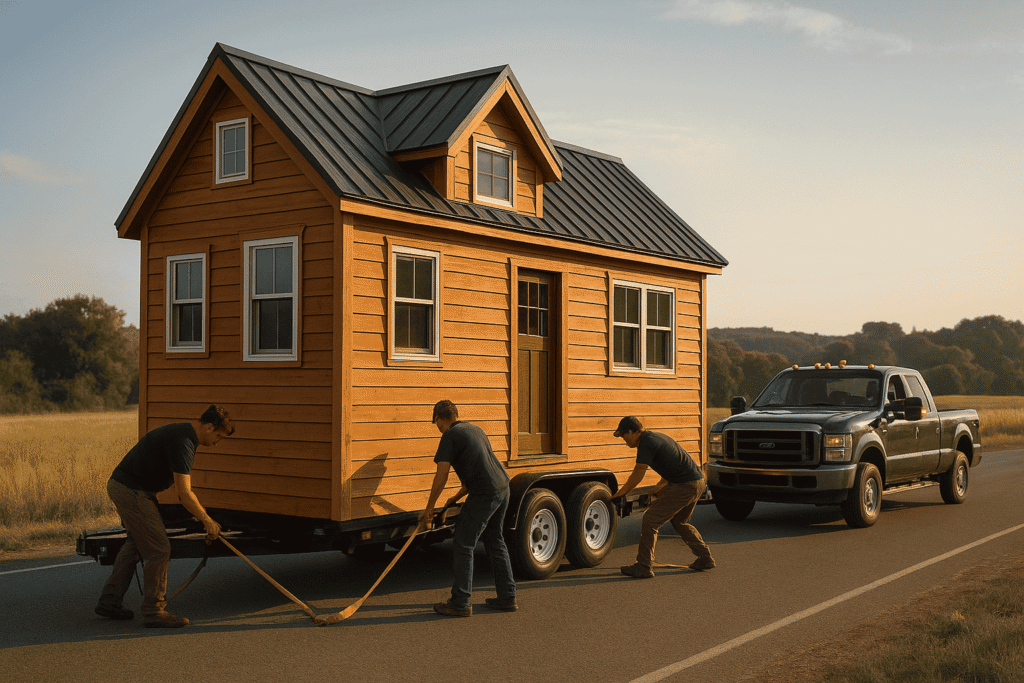
Intro: The Moment You Realize It’s Time to Move Your Tiny Home
You know that feeling when life whispers, “It’s time for a fresh start”? Tiny House Movers.
Maybe you’ve found a quiet plot of land, a new city calling your name, or a better job waiting across the state. And suddenly… you’re standing in front of your tiny home wondering how on earth you’re going to move it.
That’s usually when people discover the world of tiny house movers — the folks who turn what seems like a massive task into something surprisingly smooth.
This guide takes you through everything: tiny house relocation, costs, preparation, the moving-day experience, and the little details people often overlook.
Think of it as a friendly walkthrough from someone who’s been there.
This guide is written for real tiny-home owners who are planning their first move. It’s based on real relocation experiences, industry pricing data, and what professional tiny house movers actually do on moving day.
What Tiny House Moving Really Means (And Why Tiny House Movers Are Different)
Moving a tiny home isn’t like tossing your things into boxes and calling a moving truck.
It’s more like relocating a full-on structure — one that happens to have wheels.
Tiny houses are heavier than they look, often 10,000–20,000+ pounds.
They need a proper towing setup, permits, insurance, and a route that avoids low bridges or tight turns.
This is why tiny house transport requires professionals who understand the quirks of small structures on long journeys.
A lot of first-timers assume any truck can tow a tiny house.
Most learn quickly: that’s not the case.
What you need is a tiny house transport company or mobile tiny house movers who specialize in this exact thing.
You May Also Like to Explore: How Long Does It Take to Build a Pool?
When Should You Hire Professional Tiny House Movers?
Know the Signs You Need Expert Help
You might be able to haul a tiny home yourself — but only if it’s small, lightweight, and close by.
Otherwise, real-life conditions tell a different story:
- You’re crossing states
- Your tiny house is oversized
- Your land has steep or muddy access
- You don’t have a heavy-duty tow vehicle
- You want everything insured and documented
In these cases, a tiny house hauling service becomes a lifesaver.
What Professional Movers Actually Do
A good tiny home movers team handles almost everything:
- Planning a safe route
- Securing the house with industrial straps
- Managing relocation permits
- Providing escort vehicles if legally required
- Checking tires, brakes, axles, and weight balance
It’s not just transportation — it’s tiny home logistics from start to finish.
How Much Does It Cost to Move a Tiny House? Real Pricing Breakdown
Cost Per Mile Explained
Most tiny house movers charge $1–$4 per mile, depending on:
- Distance of the move
- Weight of your tiny home
- Road difficulty
- Whether it’s a same-state or cross-state trip
That’s why people often ask, “What’s the cost to relocate a tiny home across the country?”
The truth: it varies, but professional movers will give you a detailed per-mile quote.
Additional Costs You Don’t See Coming
Tiny house relocation comes with surprise expenses many owners never expect:
- Permit fees (especially across state lines)
- Pilot vehicles
- Route planning
- Insurance for the move
- Bad weather delays
- Set-up work once the tiny house arrives
These extras can add $300–$1,000+ depending on your situation.
Explore: Keep Your Home Cooler & Roof Stronger
Short Distance vs Long Distance: What You’ll Pay
Here’s a simple breakdown people find helpful:
- Local move (under 20 miles): $300–$1,000
- Medium move (100–300 miles): $1,000–$4,000
- Long-distance move (300–1,000+ miles): $3,000–$10,000+
Longer distances usually have a lower per-mile rate, but a higher overall cost.
How to Prepare Your Tiny House Before Movers Arrive
The Inside Checklist
Before moving to a tiny home, imagine your house bouncing on the highway.
Now secure everything.
- Remove wall décor
- Strap down appliances
- Shut off water lines
- Disconnect propane
- Store fragile items safely
The Exterior Checklist
A tiny house on wheels still needs attention:
- Inspect tires and lug nuts
- Secure doors and windows
- Remove exterior accessories
- Check the trailer frame for rust or damage
The Structural Check (Super Important)
This part protects your home from wind damage:
- Secure roof overhangs
- Check siding for loose boards
- Confirm your builder rated it for highway travel
A professional tiny house transporter will double-check, but it’s good to prepare ahead.
How to Choose the Right Tiny House Moving Company
What to Look For
Not all movers are created equal.
For tiny houses, you need specialists, not general mobile home movers or trailer house movers.
Look for:
- Proven experience with tiny houses
- Proper licensing & DOT registration
- Insurance coverage
- Transparent, upfront pricing
- Positive customer reviews
Questions to Ask Before Booking
Protect yourself by asking:
- “Have you moved to a house like mine before?”
- “Do you handle relocation permits?”
- “What’s covered by your insurance?”
- “What’s your cost per mile?”
- “How do you protect the structure during transport?”
The right answers will instantly tell you who’s a pro.
What Happens on Moving Day
The Morning Prep
Movers will:
- Inspect the trailer
- Check the axles
- Walk through the house with you
- Make sure everything is secure and road-ready
Loading, Securing & Hitting the Road
Your tiny home gets:
- Heavy-duty straps
- Chains
- Door locks
- Weight balancing
- Brake and light inspection
At this point, the tiny house movers jump into action and start the journey.
Arrival at Your New Location
Once the house arrives:
- It gets unstrapped
- Leveled
- Stabilized
- Reconnected to utilities (if needed)
Then the real fun begins — setting up your new life.
Real Stories: What People Wish They Knew Before Moving a Tiny House
Here are a few lessons from real tiny home owners:
Emma — “I never knew permits mattered so much.”
Her move was delayed two days because she didn’t have a relocation permit.
Jackson — “I underestimated the wind.”
A small roof overhang caught wind and bent during transport.
Mira — “Professional movers saved me money.”
She originally planned to tow the house herself… then realized her truck wasn’t built for it.
These are the tiny details that make or break a successful relocation.
Tips to Save Money When Moving a Tiny House
- Move during off-peak months (avoid summer)
- Prepare the house yourself
- Choose easier routes over shorter routes
- Compare multiple tiny home transport quotes
- Avoid unnecessary escort vehicles
- Be flexible with your dates
Every little bit helps when you’re paying per mile.
Common Problems & How to Avoid Them
Tiny house moves look easy on Instagram, but they come with challenges:
- Tire blowouts
- Axle damage
- Scratched siding
- Weather-related delays
- Permit issues
- Loose interior items
With professional tiny home movers, most of these can be avoided.
Conclusion: A Fresh Start Is Closer Than You Think
Moving a tiny house can feel like shifting your whole world — and in a way, it is.
But with the right tiny house movers, good planning, and a little patience, it becomes an adventure instead of a headache.
Wherever you’re headed next, your tiny home can come with you.
And that fresh start you’ve been dreaming about? It’s already on the way.
This guide is based on real tiny-home relocation experiences, mover pricing estimates, and common issues reported by tiny house owners across the U.S. Every checklist and cost range reflects what movers actually charge — not guesswork.
FAQ
Q: Can I move a tiny house myself?
A: Yes, but only if your house is lightweight, road-rated, and you have a proper tow vehicle. Most owners still hire professional tiny house movers to avoid damage and permit issues.
Q: How long does a tiny house move take?
A: Local moves often take a few hours. Long-distance relocations may take 1–5 days depending on permits and weather.
Q: Do tiny house movers provide insurance?
A: Reputable movers include transport insurance, but coverage varies — always ask before booking.
Related Content:
The Rise of the Guild of Handyman: Making Home Maintenance Stress-Free
510 Garage: From Repairs to Builds, Tools to Culture — Everything You Need to Know