
 By
By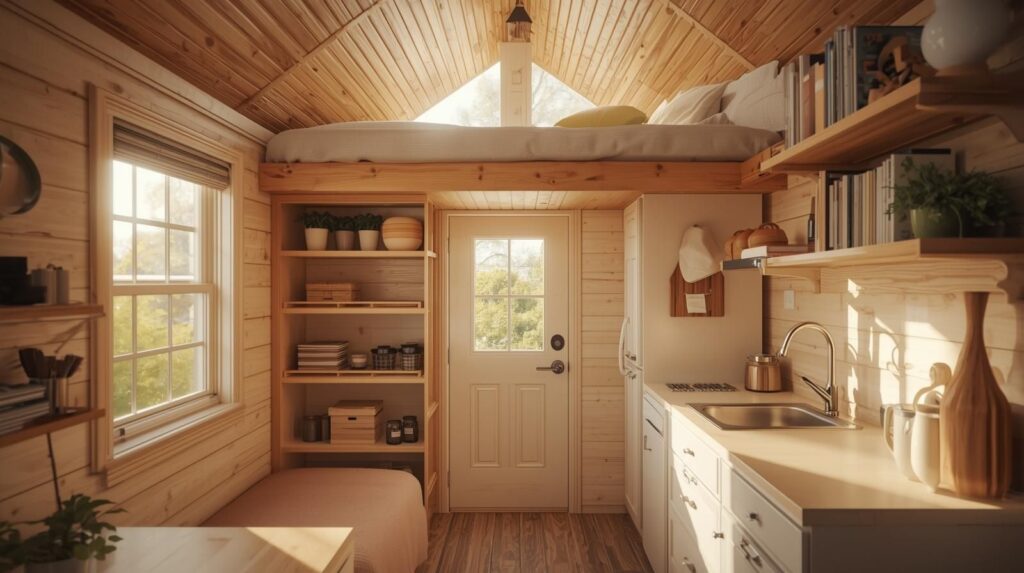
When people dream about tiny house living, they often picture cozy mornings with sunlight slipping through big windows, a peaceful cup of coffee, and a life with less stress and more freedom.
But once the excitement settles and the real work begins, many homeowners discover that tiny-house living is a different kind of challenge.
I’ve seen it happen again and again. People rush in with big hopes but miss the small details that make or break a tiny home.
Before you know it, the space feels tighter than expected, storage becomes a puzzle, and the layout that once looked perfect on Pinterest suddenly feels impossible to live with.
That’s why understanding the Common Mistakes in Tiny Houses is so important.
When you know what usually goes wrong, you can avoid the same problems and make your tiny home feel comfortable, functional, and truly yours.
Let’s walk through the mistakes most tiny homeowners face and how you can sidestep them with confidence.
Not Planning the Layout for Real Life
One of the first mistakes people make is designing a layout that looks beautiful but doesn’t match their daily habits.
It’s easy to fall in love with a photo online, but real life needs real solutions.
You might think you’ll always eat at the breakfast bar, but maybe you prefer curling up on a sofa with your meals.
Or maybe you imagined a ladder to your loft, but your knees start complaining after one week.
Tiny houses don’t forgive poor planning.
Every inch matters, so your layout should reflect the way you actually live, not how you wish you lived.
Ignoring Storage Needs
If there’s one truth about tiny homes, it’s this: clutter can take over faster than you think.
Many people underestimate how much stuff they own or how much they still need even after decluttering.
The mistake isn’t just lack of storage; it’s bad storage that doesn’t make sense.
Open shelves look cute until you realize they collect dust and take up visual space.
Deep cabinets sound amazing, but they become dark holes where things disappear.
Smart storage should be easy to reach, organized, and designed for your daily routine.
Poor Lighting Choices
Lighting in a tiny house can change everything.
I’ve seen houses that felt warm and spacious during the day but turned into gloomy boxes at night.
That’s because many people forget that tiny homes need multiple light sources, not just one bright bulb in the center of the room.
Soft lighting, under-cabinet lights, warm LED strips, and natural light from windows can make a tiny space feel bigger, brighter, and more inviting.
Poor lighting is one of the most common mistakes in tiny houses because people don’t realize how much it affects mood and comfort.
Choosing Heavy or Bulky Furniture
Another slip-up happens when homeowners bring in furniture made for traditional homes.
Oversized sofas, chunky tables, or rigid beds can swallow a tiny space in seconds.
Tiny houses work best with lightweight, multi-functional furniture that can move, fold, hide, or transform.
A table that folds into the wall, a sofa with hidden storage, or a bed that lifts to reveal space underneath can save you from daily frustration.
Remember, every piece of furniture should earn its spot.
Not Considering Privacy
When everything is out in the open, privacy becomes a luxury.
Whether you live alone or with someone, you’ll eventually want a moment to yourself.
Tiny homes often skip privacy features like sliding doors, curtains, or nook partitions.
When you don’t plan for privacy, the house can feel too open—and not in a good way.
Simple additions like pocket doors or well-placed curtains can make a huge difference.
Overcomplicating the Bathroom
Bathrooms in tiny houses often become a source of stress.
Composting toilets, small showers, and limited water supply can quickly become overwhelming if not planned well.
Many people underestimate how important a comfortable bathroom is for daily life.
Cutting corners to save space can lead to regret later.
A tiny bathroom should feel convenient and functional, not cramped or awkward.
Skipping Ventilation and Moisture Control
One thing tiny homes are known for? Moisture.
With less space, humidity builds up fast especially from cooking, showering, and breathing. Poor ventilation can create mold, odors, and general discomfort.
Good airflow, proper fans, windows, and dehumidifiers are essential.
It’s one of the most common mistakes in tiny houses because people think small spaces don’t need big ventilation solutions. But they do.
Not Planning the Outdoor Space
A tiny house isn’t just the inside. The outdoor area matters just as much, especially because it often becomes your extended living room.
Many homeowners forget to create a deck, seating area, small garden, or simple outdoor setup. Without it, the home feels smaller than it really is.
A comfortable outdoor space can double your living area—and make tiny living feel spacious.
Trying to Fit Every Idea Into One Tiny House
This is a fun but dangerous mistake.
People get excited and try to include every cute tiny-house feature they’ve ever seen.
Sliding barn doors, loft beds, built-in bookshelves, pull-out pantries, skylights, folding decks — you name it.
But stuffing too many features into a small space creates chaos.
A tiny house works best when it’s simple, clean, and intentionally designed.
Final Thoughts
Living in a tiny house can be freeing, peaceful, and surprisingly comfortable, if you avoid the common mistakes that make the space feel smaller and harder to live in.
When you plan smartly, think realistically about your daily routines, and choose practical solutions over trendy ones, your tiny home can become a place that feels cozy, organized, and full of charm.
Now that you understand the Common Mistakes in Tiny Houses, you’re already ahead of most new tiny-home builders.
Build thoughtfully, simplify boldly, and enjoy the beauty of living small.
Related Content:
How to Move From a House to a Small Apartment: A Simple, Stress-Free Guide